From Website To Inbox: How Consistent Brand Messaging Builds Trust In Customer Communications

Quick Answer
Consistent brand messaging across your website and inbox builds trust by creating a familiar, credible experience. Aligning tone, visuals, and key messages helps customers recognize your brand, reduces confusion, and strengthens communication at every touchpoint.
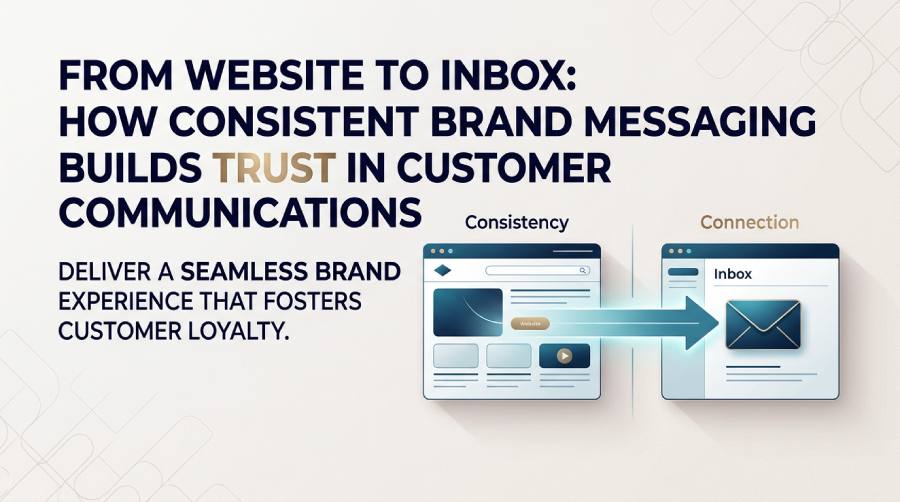
Consumer trust is hard to earn. And it’s even more difficult to retain.
The issue isn’t just general consumer sentiment. Yes, research shows that people’s trust in brands (and most other organizations, for that matter) has eroded over the past couple of years. But building trust in customer communications requires a fine balance between demonstrating competence, proving benevolence, and maintaining transparency.
Ultimately, reaching, engaging, and converting leads is almost impossible without consistent brand messaging. Why? Because customer trust isn’t earned within a single interaction. Instead, it takes time to nurture.
The only way to ensure your prospects view your brand as credible is to meet (and exceed) customer expectations consistently.
Paying close attention to cross-channel consistency makes the entire process easier. For instance, email is one of the highest-converting sources of web traffic. So, aligning website and email messaging delivers immensely positive results for businesses aiming to maximize credibility.
So, how can you use consistent brand messaging to build trust in customer communications? The following strategies can help you optimize brand voice, whether you’re trying to convince your target audience of your brand’s credibility or ensure your branding works equally well across your site and all other distribution channels.
Identify the Brand Promises That Should Stay Consistent
When deciding what brands to buy from, consumers pay attention to more than just products and services. Yes, the quality and value of your solutions do matter in driving trust and (consequently) conversions. But a purchase-inspiring customer experience relies on much more than product qualities alone.
Ultimately, factors like product quality, reliability, and fair pricing fall under consumers’ ‘minimum expectations.’ The elements of customer experience that truly move the needle? These include convenience, feelings of connection, and personalized interactions.
So, how do you ensure your target audience recognizes your business as one that can deliver the experience they seek? Start by aligning your brand’s messaging across all touchpoints.
If your emails consistently highlight the same brand promises your customers associate with your business after browsing your website, they’re far more likely to keep interacting with your content. As a result, your audience progresses toward conversion, viewing your brand as the ideal solution to their challenges.
As your communication moves from your website (or social media) to email, your brand’s primary value propositions, communication style, tone, and level of helpfulness must remain the same. No, you should not endlessly recycle web content for your email marketing campaigns. Instead, make it your mission to meet your audience’s expectations in a way that shows they can rely on your business to follow through with its promises.
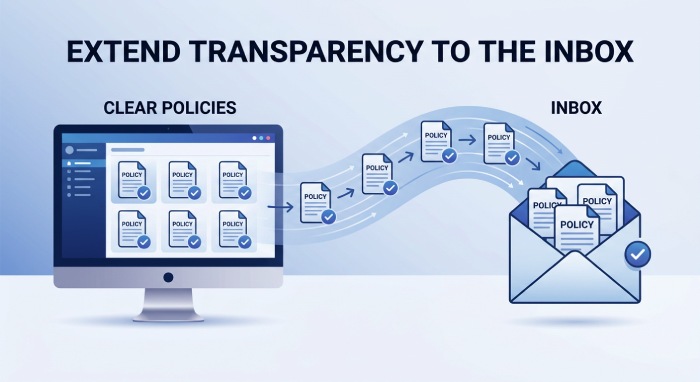
For instance, a brand that draws in prospects with a promise of simplicity and accessibility should not suddenly switch to a communication style dominated by technical product specifications and complex language in its email campaigns. In the best-case scenario, subscribers won’t understand what the business is trying to communicate in its emails. Or, more likely, they’ll be disappointed by the brand’s inconsistency, losing some of the hard-earned trust the business worked so much to nurture.
Carry Website Transparency Into Customer Emails
Transparency is essential for building a trustworthy brand reputation. So, if you want to earn your target audience’s trust, you can’t afford to ignore it in your messaging.
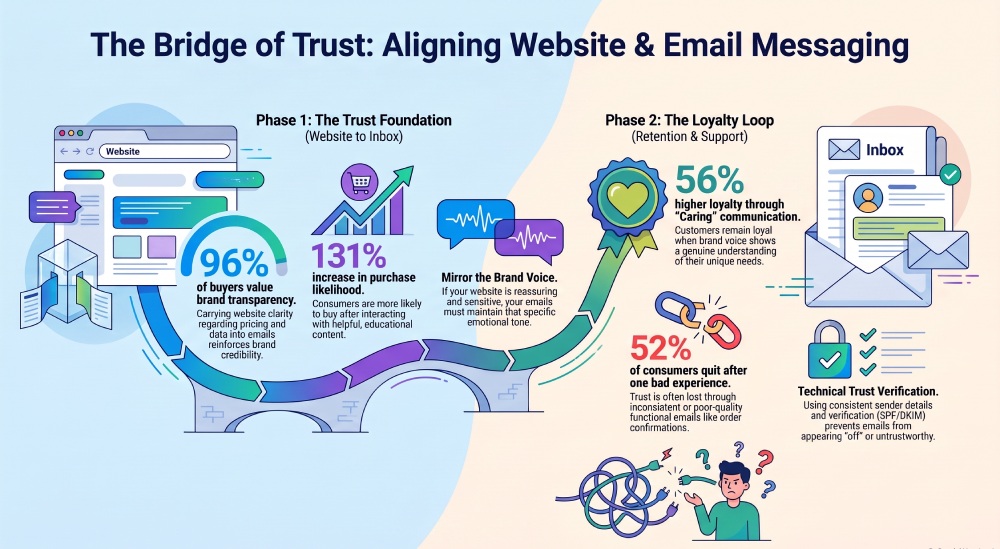
In fact, recent consumer survey data shows that 96% of buyers value brand transparency. But what factors do they consider when evaluating a brand’s credibility? Pricing, sourcing information, authentic communication, and data usage are just a few areas in which shoppers pay attention to how open and honest brands are.
So, to build trust in your online presence, clear, open communication is key, both on your website and in your email marketing campaigns.
A good place to start is to take a close look at your website messaging. Is it authentic, transparent, and helpful to your target audience? Is it vague? Or is it outright misleading?
One of the best ways to build brand trust is to prioritize transparency in your communications, like Start in Wyoming. By being crystal clear about service pricing, listing what each option includes, and explaining what attorney-led guidance means, this brand positions itself as a credible, dependable source of legal services that prospects have no qualms about hiring.
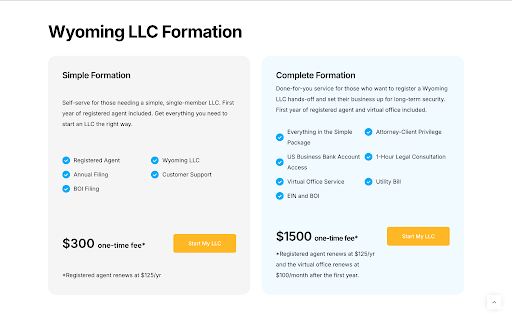 Source: startinwyoming.com
Once you’ve established this level of transparency in your brand messaging, you need to continue it in your email communications. First, because your leads have come to expect authenticity from your brand. Secondly, clarity removes most consumer uncertainties, making leads far more confident in doing business with your brand.
Match the Brand Voice to the Customer’s Situation
Developing a trust-building communication method for your business isn’t just about what you say to your potential customers. It’s just as much about how you get your messages across.
If you think about what shoppers expect from brands, you’ll find that it all boils down to understanding, care, and genuine relationships. When consumers feel that a brand truly cares about them, 56% are more likely to remain loyal. But if they feel they’re being treated as just a number? In that case, they’re highly likely to walk.
Brand voice is one element of your company’s identity that can show your audience your organization understands their unique needs and cares about removing their pain points.
For example, CodaPet uses emotional, reassuring, and sensitive messaging on its website to help customers navigate difficult decision processes, like you can see on their Austin page. In doing so, the brand doesn’t just earn its potential customers’ trust. It also validates pet owners’ complex feelings about hiring end-of-life services for their furry family members, making it easier for these leads to make one of the most difficult decisions of their lives.
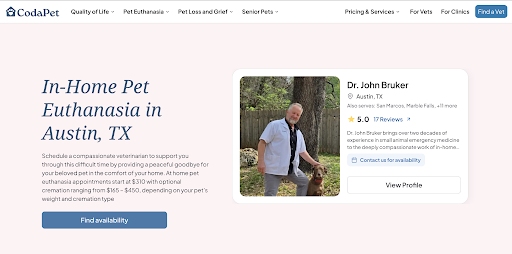 Source: codapet.com
Of course, if this brand switched to a completely different communication style in its emails or direct customer interactions, the effect would be instantly annulled. Why? Because the customer’s situation remains the same. Consistency in brand voice directly influences brand reputation and determines prospects’ ability to trust and rely on a business.
Continue Helping Customers Make Decisions in the Inbox
One of the most effective ways to earn customer trust online is to help your audience resolve their pain points, even when that doesn’t necessarily benefit your business’ bottom line.
For example, research shows that producing and distributing educational content significantly raises conversion rates. In fact, people are 131% more likely to buy from a brand after interacting with an educational resource.
So, investing in content that helps customers make informed purchase decisions genuinely pays off.
For example, Bay Alarm Medical does this exceptionally well with its website messaging. With multiple content sections dedicated to helping customers make buying decisions (and move through the sales funnel), this brand helps leads feel confident they’re in the right place to resolve their pain points. From product cost comparisons to interactive solution finder quizzes, Bay Alarm Medical dedicates its online presence to creating enjoyable, productive customer experiences that maximize purchase intent.
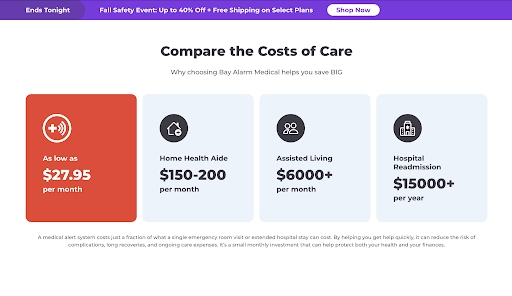 Source: bayalarmmedical.com
However, demonstrating this level of customer-centricity on your website alone is insufficient to make a real difference in your brand’s credibility. Instead, your trust-building strategy has to extend to every customer touchpoint, including emails.
If your brand reputation tactic includes positioning your organization as helpful, then every single point of communication needs to support that impression.
Don’t let your website be the last place potential customers can receive guidance or answers to their questions. Instead, turn every touchpoint, including onboarding, follow-ups, and customer support interactions, into positive, helpful experiences that will reassure prospects of your brand’s reliability and dedication to customer satisfaction.
Make Functional Emails Part of the Brand Experience
Customer brand relationships don’t merely depend on pre-purchase interactions.
Yes, consumers may decide whether they trust a business during the top stages of the buyer’s journey. But that trust can be lost easily. And the repercussions are significant.
According to PWC, 52% of consumers will stop buying from a business after a single unsatisfactory customer experience. In at least half of these cases, the issue isn’t the product or service itself. It’s the quality of communication between the customer and business once a problem (almost inevitably) arises.
Ultimately, your customer relationship management strategy must account for potential issues during the sales cycle. If you want clients to continue trusting your business (and stay loyal to your brand), the quality of service you provide during these interactions has to align with the expectations you set through your website messaging when convincing prospects to convert.
In simple terms, functional emails need to align with your overall brand experience.
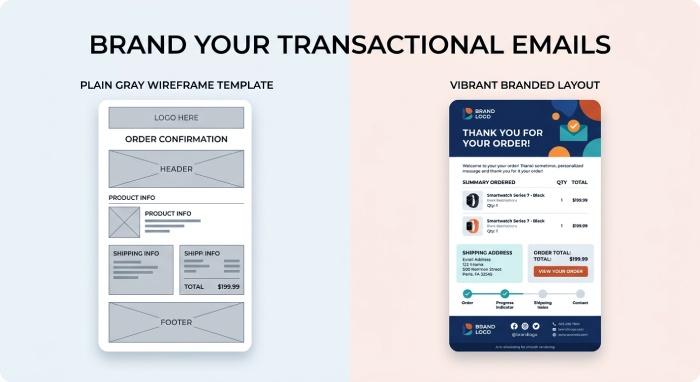
Support interactions, order confirmations, password resets, service updates, and renewal notices all need to reflect the elements of brand identity that encouraged customers to trust you in the first place.
Paying attention to technical details like sender identity and email visual formatting will go a long way. But don’t forget that consistency in your brand’s voice and tone is just as crucial, since these factors play a major role in earning your prospects’ trust in the first place.
Support Consistent Messaging with Trustworthy Email Delivery
Trust depends on recognition. No matter how hard you try to earn customer confidence on your website (whether by optimizing your messaging or using social proof), your clients won’t interact with your emails unless they seem genuine.
Yes, email sender verification may seem like a complex, technical aspect of email marketing. Nevertheless, it’s a crucial step toward maintaining optimal open rates and retaining your audience’s trust.
However, even if you’re not ready to dive into DNS-based standards like SPF, DKIM, DMARC, and BIMI, the basic brand identifiers you use in email communication has to align with what prospects expect from your business.
Pay attention to the brand identity elements you’ve used throughout your website. Properly setting up sender details (like the email address and domain name) ensures subscribers recognize your brand when an email lands in their inbox.
When combined, DNS standards and brand identity elements maximize deliverability. That is, they prevent your campaigns from ending up in your client’s Spam folder, becoming invisible, or worse yet, being ignored by customers due to seeming off.
Final Thoughts
Even though it’s not always recognized for its power of driving business success, branding plays a major role in establishing an organization’s reputation. And that reputation directly influences consumers’ purchase intent, price sensitivity, and willingness to remain loyal customers.
So, pay attention to how your on-site and off-site messaging work together to build brand trust. Email might not stand out as the primary place to earn your target audience’s confidence. But it’s definitely essential if you want to hold on to a positive reputation and turn one-time purchases into loyal brand-client relationships.
General Manager
General Manager at DuoCircle. Product strategy and commercial lead across the email security portfolio.
Secure your email infrastructure
Protect, authenticate, and deliver. Contact our team to find the right solution.