How To Plan An Active Directory Migration Without Disruption

Quick Answer
To plan an Active Directory migration without disruption, assess dependencies, create backups, define a migration strategy, test changes, schedule phases carefully, monitor systems, and maintain a rollback plan to protect business operations.
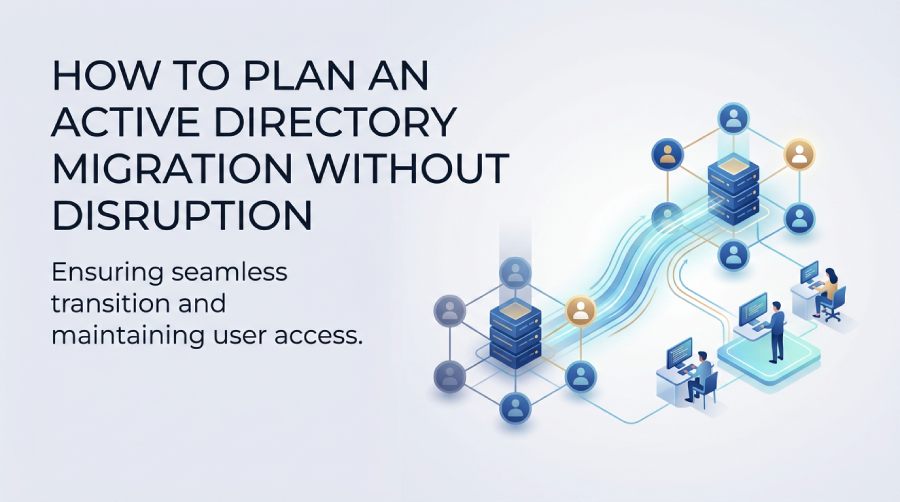
An Active Directory migration can change identity records, device access, application permissions, and administrative routines at once. A disciplined plan reduces outages by showing what must move, when each task occurs, and how recovery will work. Teams should begin with verified inventories, clear ownership, tested backups, and measured checkpoints. This preparation allows staff to make predictable changes while preserving business services during the transition without forcing rushed decisions or hidden dependencies later.
Establish a Reliable Baseline
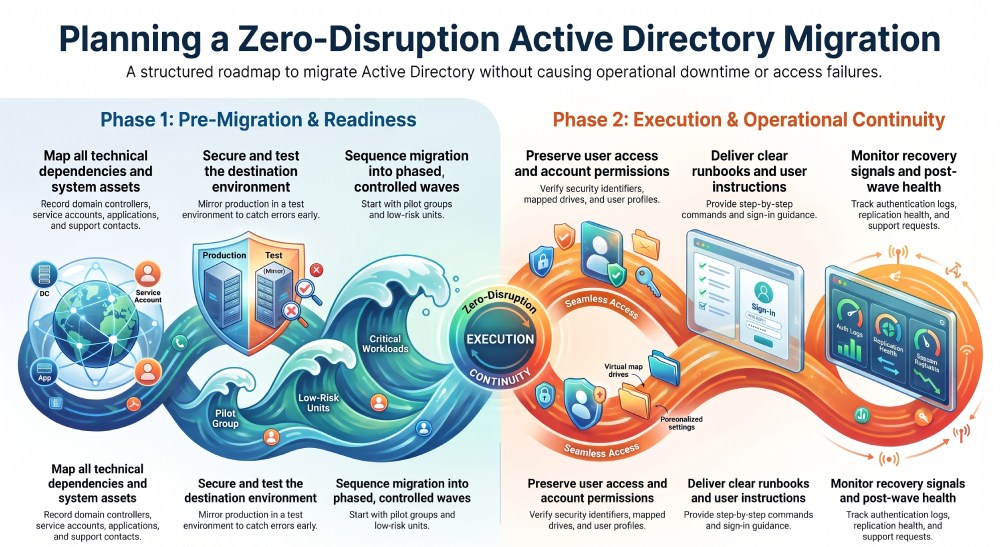
Before scheduling changes, each organization should record domain controllers, trusts, user accounts, groups, workstations, servers, applications, and shared resources. A practical guide on how to migrate Active Directory can help teams compare source and destination settings, identify missing tasks, and build a reliable sequence. This review should capture owners, dependencies, maintenance windows, rollback triggers, and priorities before execution begins.
Define the Migration Scope
Scope should reflect business needs rather than technical convenience. Teams need to list every department, location, workload, and connection affected by the change. They should classify accounts by importance, separate active records from stale entries, and confirm which systems require uninterrupted access. Clear boundaries prevent late additions from disrupting schedules, budgets, or staffing plans. Business owners should later have review meetings and approval rounds before final approval is granted by all business leaders together.
Map Technical Dependencies
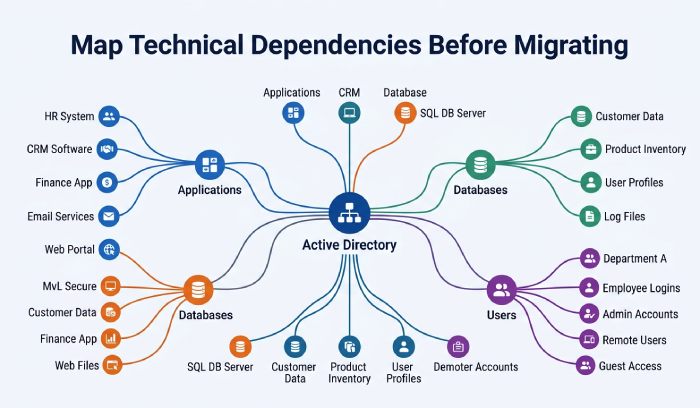
Dependency mapping exposes hidden links between directory objects and business services. Administrators should connect each application to its authentication method, service account, database, scheduled task, and support contact. Network shares, certificates, scripts, and endpoint policies deserve equal attention. A simple dependency register helps migration leaders choose pilot groups, flag high-risk workloads, and assign technical owners before any production change is approved by service leaders and security staff during the final readiness review.
Secure the Destination Environment
The destination domain needs a security baseline before objects arrive. Teams should review privileged accounts, password controls, delegation, audit settings, firewall rules, and recovery access. Existing weaknesses should be corrected in the source environment or blocked from transfer. Backup copies must be isolated, tested, and easy to restore. These controls reduce exposure during coexistence, when both environments may trust shared resources. An assigned owner should confirm every safeguard before launch day.
Test Before Production
A test environment should mirror production closely enough to reveal faulty permissions, broken scripts, login failures, and application conflicts. Migration staff can rehearse object moves, profile handling, workstation updates, and rollback steps without affecting employees. Test results should record timing, error rates, recovery actions, and unresolved findings. Approval should follow evidence, not optimism, especially for high-value systems where missed faults could stop critical operations entirely.
Sequence Migration Waves
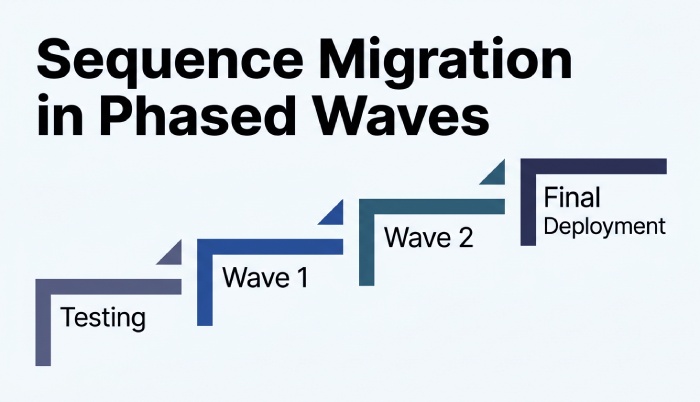
Migration order should follow dependency risk, user impact, and recovery confidence. A pilot group can include representative departments, varied devices, and common applications. After results meet agreed thresholds, teams can move low-risk units before critical services. Each wave needs entry criteria, assigned operators, start and finish times, validation checks, and a clear stop decision. Small waves make failures easier to contain and explain to employees, managers, and technical staff alike.
Preserve User Access
Access continuity depends on preserving permissions as directory objects are migrated. Administrators should verify security identifiers, group memberships, file ownership, mapped drives, and application access after each wave. Profile transfers deserve separate checks because settings, local data, and cached credentials can behave differently on new devices. Affected employees need tested sign-in instructions and a staffed support path for the first workday with rapid escalation for unresolved faults.
Prepare Clear Communication
Communication should explain what changes, why timing matters, and where staff can get help. Managers need schedules, expected symptoms, and escalation contacts before each wave. Technical teams should receive runbooks with commands, checkpoints, ownership, and recovery instructions. Frequent status updates keep decisions aligned without creating noise. Clear messages also reduce support volume because employees know what to expect when migration begins.
Monitor Recovery Signals
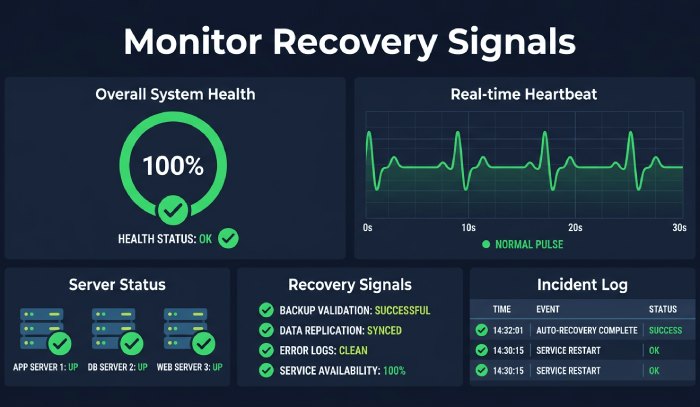
Monitoring should continue through every migration wave and several business cycles afterward. Teams should watch authentication errors, replication health, device check-ins, application logs, help desk requests, and unusual privilege changes. Security teams should also monitor broader cybersecurity signals, including unusual authentication activity and unexpected access changes, during and after each migration wave. Recovery plans must state who can pause work, restore services, and approve the next attempt. A post-wave review should capture lessons, update documentation, and remove temporary access. Measured follow-up turns a project into a handoff.
Conclusion
An uninterrupted Active Directory migration rests on preparation, evidence, and disciplined execution. Organizations should inventory assets, map dependencies, correct security gaps, test every major action, and move in controlled waves. Clear communication keeps employees informed, while monitoring reveals trouble before it spreads. Recovery plans protect business continuity when assumptions fail. With accountable owners and documented decisions, migration teams can change directory services without sacrificing access, trust, or daily productivity.
General Manager
General Manager at DuoCircle. Product strategy and commercial lead across the email security portfolio.
Secure your email infrastructure
Protect, authenticate, and deliver. Contact our team to find the right solution.