Why I Moved My Company Email Off Google After Seven Years

Quick Answer
Self-hosting company email can reduce costs, improve data control, and provide greater privacy. With proper SPF, DKIM, DMARC, reverse DNS, and IP reputation management, businesses can maintain strong deliverability while avoiding dependence on major email platforms.
Last year I dropped $2,847 on Google Workspace, and that number ate at me for months before I made a move.
What finally broke me was searching through my own inbox while wondering who else had access to the same search results. Have you ever been mid-sentence and suddenly become hyperaware that the platform is indexing every single word as you type? I had one of those moments at 11:34 pm on a Tuesday while drafting an incredibly sensitive contract negotiation email, and I couldn’t shake the thought that Google’s AI was processing my words faster than my actual lawyer would read them.
That pushed me to explore alternatives, but not the polished SaaS products with venture backing and those annoyingly perfect landing pages. I wanted genuine control over my data. Eventually I stumbled onto offshore mail server hosting and realized I’d been paying a premium for convenience I didn’t actually require.
Email Complexity Is Manufactured
Email shouldn’t be this complicated. Messages go out. They arrive somewhere else. Pretty straightforward.
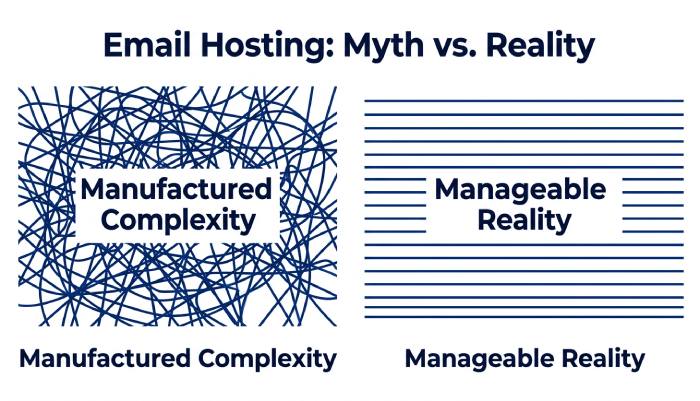
But somewhere between 2004 and now we all surrendered our inboxes to three massive companies and stopped questioning that decision.
I’m not wearing a tinfoil hat (I actually still use Gmail for random newsletters). When you’re running a company with 12 people and actual intellectual property that needs protecting, keeping everything on servers you don’t control starts feeling reckless.
My breaking point was during negotiations with a Taiwanese manufacturer when I needed to verify our email retention policies for their legal department. Couldn’t do it. Google’s terms included vague language about accessing my data “when necessary.”
Self-Hosting Reality Check
First 48 hours were genuinely annoying, I won’t pretend otherwise.
Getting Postfix and Dovecot configured on a fresh VPS felt like learning manual transmission after driving automatic for years. What surprised me: after roughly 3 hours of concentrated work (plus maybe 2 hours swearing at DNS records), everything just worked.
Deliverability worried me most. Everyone says self-hosted email gets flagged as spam constantly. Maybe if you skip the important steps. But when you configure SPF, DKIM, and DMARC properly (which sounds more intimidating than it is), legitimate mail servers trust you fine. I’ve been running my own server for 8 months and our delivery rate sits at 99.7%, basically identical to our old Google setup.
The real difference? I can grep through mail logs at 2am if I feel like it. I know the physical location where data lives. Iceland, specifically. And when I delete something, it’s actually gone.
IP Reputation Challenges Are Legitimate But Manageable
Most VPS providers hand you IP addresses that got destroyed by previous customers. Some random person was probably blasting crypto spam from your shiny new server’s IP two months ago, which creates obvious problems.
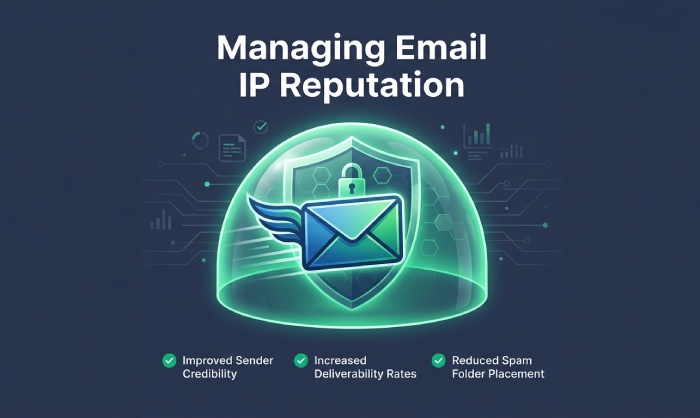
Here’s the thing: some hosting providers maintain clean IP pools specifically for customers running mail servers. You pay slightly more, maybe $16 monthly instead of $5. But you get an IP that isn’t already blacklisted across 47 different spam databases.
I ran mine through MXToolbox before sending a single message. Zero blacklists. Configured reverse DNS properly. Basically done.
My Actual Current Costs
Google Workspace ran me $237.25 monthly for 11 user accounts. My current setup costs $23 monthly for the VPS, plus maybe one hour per quarter doing system updates and maintenance.
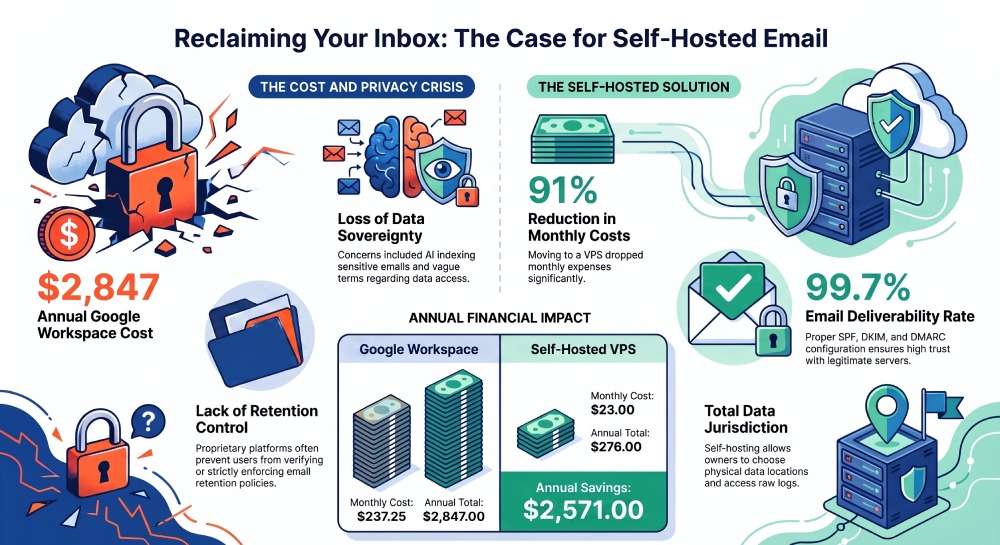
Annual savings work out to $2,570.25, which is real money. The maintenance burden turned out way less intense than expected. Most months I don’t touch the server at all.
I’m not suggesting everyone needs to do this migration. Solo freelancers who aren’t concerned about data jurisdiction should probably stick with Google. But if you’re spending significant money on email services and you’ve wondered even once about who technically owns your inbox data, spending one afternoon figuring out this setup and its email security requirements might be worthwhile.
You’ll probably surprise yourself with what you’re capable of handling.
General Manager
General Manager at DuoCircle. Product strategy and commercial lead across the email security portfolio.
Secure your email infrastructure
Protect, authenticate, and deliver. Contact our team to find the right solution.