NCSC announces the retirement of Mail Check and Web Check: Here’s what it really means
by DuoCircle
Email and web security were never really a pressing concern for many organizations in the UK until 2017, when the National Cyber Security Centre introduced Mail Check and Web Check as part of its Active Cyber Defence programme. At that time, most teams had limited visibility into how their domains were configured, how secure their websites were, or whether their email infrastructure was operating properly.
College life depends on being online. From registering for classes and submitting assignments to paying bills and staying in touch with friends, nearly everything happens through a screen. That constant connection makes life easier, but it also creates risks many students don’t think about until something goes wrong. Cybersecurity isn’t just an issue for big companies or tech experts. It affects students every day, often in quiet ways that don’t seem serious until accounts are locked, files disappear, or money goes missing.
DNS spoofing explained: what it is, how it works, and how to mitigate it
by DuoCircle
When your customers or clients type your website in the address bar, the internet does not recognize it as “yourcompany.com”; it actually looks for the numerical IP address that corresponds to that name. This happens through the Domain Name System (DNS), which is essentially like a directory of the internet.
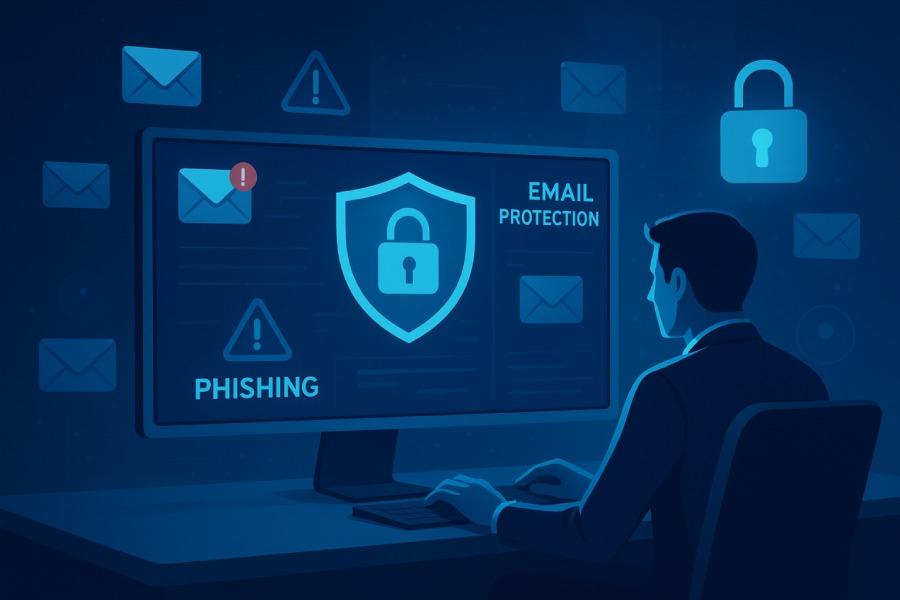
Phishing remains one of the most pervasive and damaging cyber threats targeting individuals and organizations worldwide. At its core, phishing involves cybercriminals using deceptive emails, messages, or websites designed to trick users into divulging sensitive information such as login credentials, financial data, or personal identification.
In today’s tech-driven world, the threat of zero-day attacks looms larger than ever. These types of cyber threats catch many organizations off guard, often exploiting vulnerabilities before anyone knows they exist. Imagine a thief sneaking into your home through a door you didn’t even know was unlocked—that’s the reality for many businesses facing these hidden dangers.