

Why is DMARC important for the retail sector?
In the retail industry, building a bond of trust with your clients is of utmost importance, but what happens when the very channel used to build this trust is itself compromised?
Here, we are talking about the email campaigns that you curate with so much time and effort. Your marketing emails shape how your customers see your brand and establish trust with them, so even a single bad incident in the form of domain spoofing or phishing is enough to jeopardize the credibility you have built so far. And it’s not like these incidents rarely happen; in fact, these attacks happen more often than you think, that too, at a severe scale, and often without you even realizing it.
Attackers don’t need access to your systems to misuse your brand; they can simply spoof your domain and send emails that look convincingly real. At scale, this becomes a serious problem. Thousands of customers can receive fraudulent emails in a matter of hours, all appearing to come from you.
And then the real problem follows when your customers start believing that these emails are actually coming from you. They act on them, and when something goes wrong, the loss of trust falls on your brand, not the attacker.
In this article, we will understand how you can prevent this by implementing DMARC for your domain.
Why is retail ground zero for attackers?
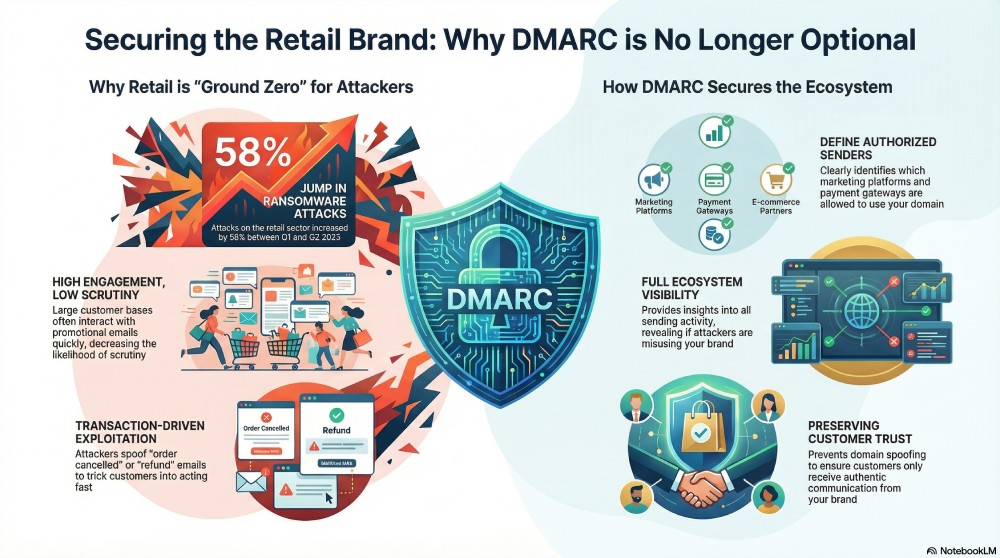
It is often thought that the retail industry is relatively low-risk in terms of security, since its email communications are mostly promotional and don’t involve high-stakes information that’d be attractive to attackers. But numbers tell a very different story. Ransomware attacks on the retail sector alone jumped by 58% in just one quarter (Q2 2025 vs Q1).
Here’s what makes the retail sector a prime target for attackers:
High engagement, low scrutiny
In the retail sector, the customer base is expansive. This means there is a large number of people engaging with your emails on a daily basis. With so many customers regularly opening and interacting with your emails, attackers don’t need to target everyone; even if a small fraction of them respond, that’s enough for the attackers. At that scale, even a tiny success rate can lead to meaningful impact, whether it’s data theft, financial fraud, or loss of customer trust.
Most communication is transaction-driven
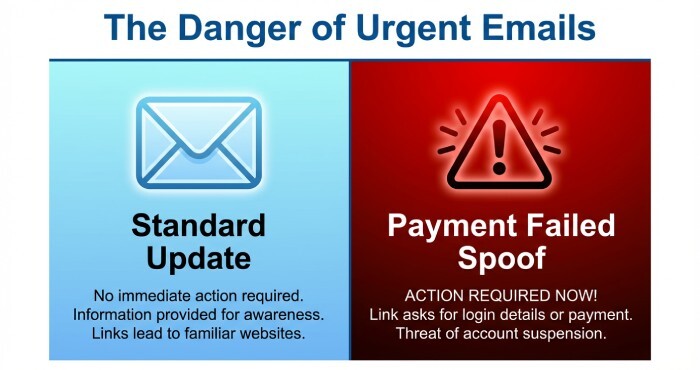
Most retail emails are about order confirmations, updates, or refunds, which gives attackers a ready-made opportunity to exploit. When a customer sees important messages such as “payment failed” or “order cancelled” related to their orders, they’re more likely to act quickly without questioning them, and that’s exactly what attackers want.
Familiar formats are easy to copy
Most brands maintain a consistent design language across all their email communication, using the same logos, layouts, tone, and messaging style. For an attacker, this makes things easy. It’s like they already have a reference they can copy. They can create emails that look very similar to yours, with the same design, messaging, and even timing.
The worst part is that your customers may not be able to tell the difference. They’ll open the email, click on the links, and act on it, thinking it’s from you. And if something goes wrong, they don’t blame the attacker; they lose trust in your brand.
A diverse sender ecosystem increases risk
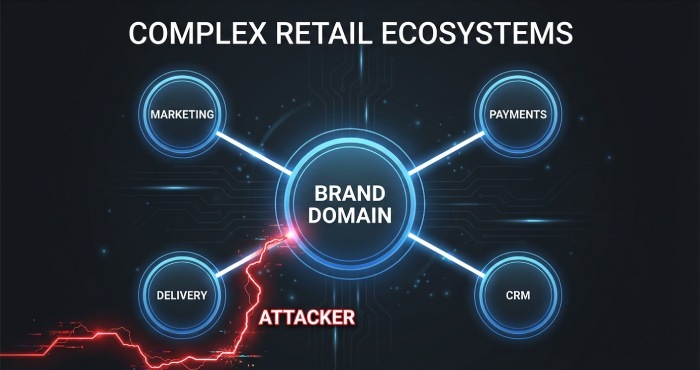
As a retail brand, you might have multiple systems sending emails, your marketing platform, payment gateway, CRM, and delivery partners. With so many different sending sources, it becomes difficult to maintain clear control over who is authorized to send emails on your brand’s behalf. As your ecosystem becomes more complex, the chances of gaps in visibility and control start to increase. And attackers want exactly that.
Why do you need DMARC for retail?
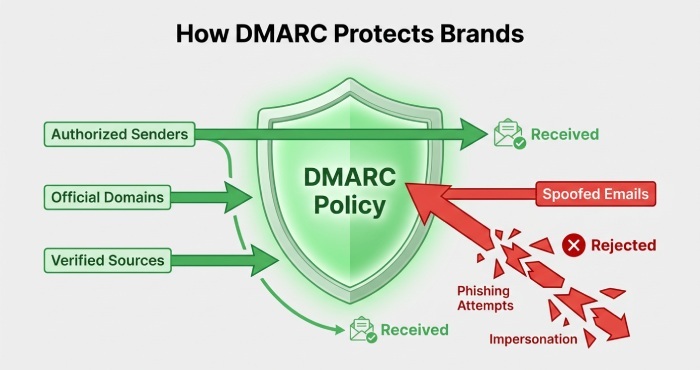
Without DMARC, you have no real control over who is sending emails from your domain. DMARC helps you clearly define which sources are allowed to send emails on your behalf and ensures that anything outside of that is either flagged or blocked. This is important in a retail setup where multiple systems send emails, and keeping an eye on everything manually becomes difficult.
DMARC also gives you insights into your email ecosystem, showing you all sending activity tied to your domain. So instead of guessing what is happening with your domain, whether an attacker is misusing your domain to send fraudulent emails, or whether a legitimate platform is sending emails without proper authentication, you can see it clearly and act on it.
In other words, DMARC helps you ensure that when a customer sees your email, it is actually coming from you, not someone pretending to be you.
Being in the retail sector means you cannot afford to leave customer trust exposed to something as preventable as email spoofing. So, it is important that you secure your domain with DMARC and other email security measures. To get started with your email authentication journey, get in touch with us.