
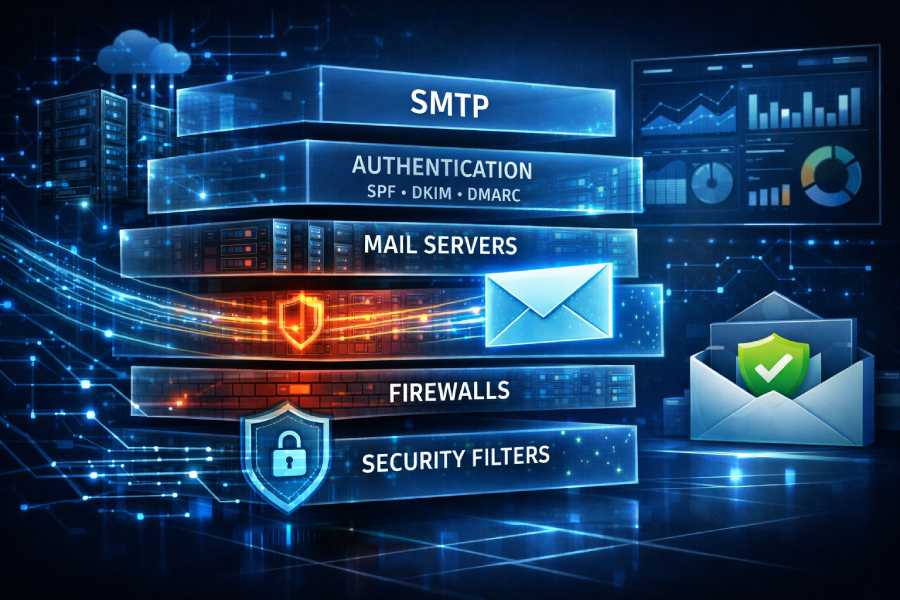
Understanding the Email Delivery Ecosystem
Email remains an essential communication channel for businesses worldwide, playing a critical role in marketing, customer engagement, and internal collaboration. Despite the rise of instant messaging and social media platforms, email continues to be the backbone of professional communication, handling over 300 billion messages daily as of 2023. However, the mechanics behind reliable email delivery are complex and involve multiple operational layers. Ensuring that an email arrives promptly, intact, and securely requires a deep understanding of protocols, infrastructure, and cybersecurity measures.
The Simple Mail Transfer Protocol (SMTP) is the cornerstone of email transmission. However, SMTP alone does not guarantee successful delivery; there are many factors at play, including server configuration, spam filtering, authentication protocols, and network security. Managed service providers (MSPs) often step in to address these challenges by offering comprehensive email management solutions that combine technical expertise with strategic oversight. Businesses seeking dependable IT support can explore providers covered by Jumpfactor to find options that specialize in secure, efficient email delivery.
Organizations today face increasing pressure to maintain high deliverability rates while combating sophisticated cyber threats. For instance, approximately 47% of all emails are classified as spam globally, underscoring the importance of robust filtering and authentication mechanisms to separate legitimate messages from malicious ones. This dynamic environment makes understanding the operational layers behind email delivery critical not only for IT professionals but also for business leaders who rely on email as a trusted communication channel.
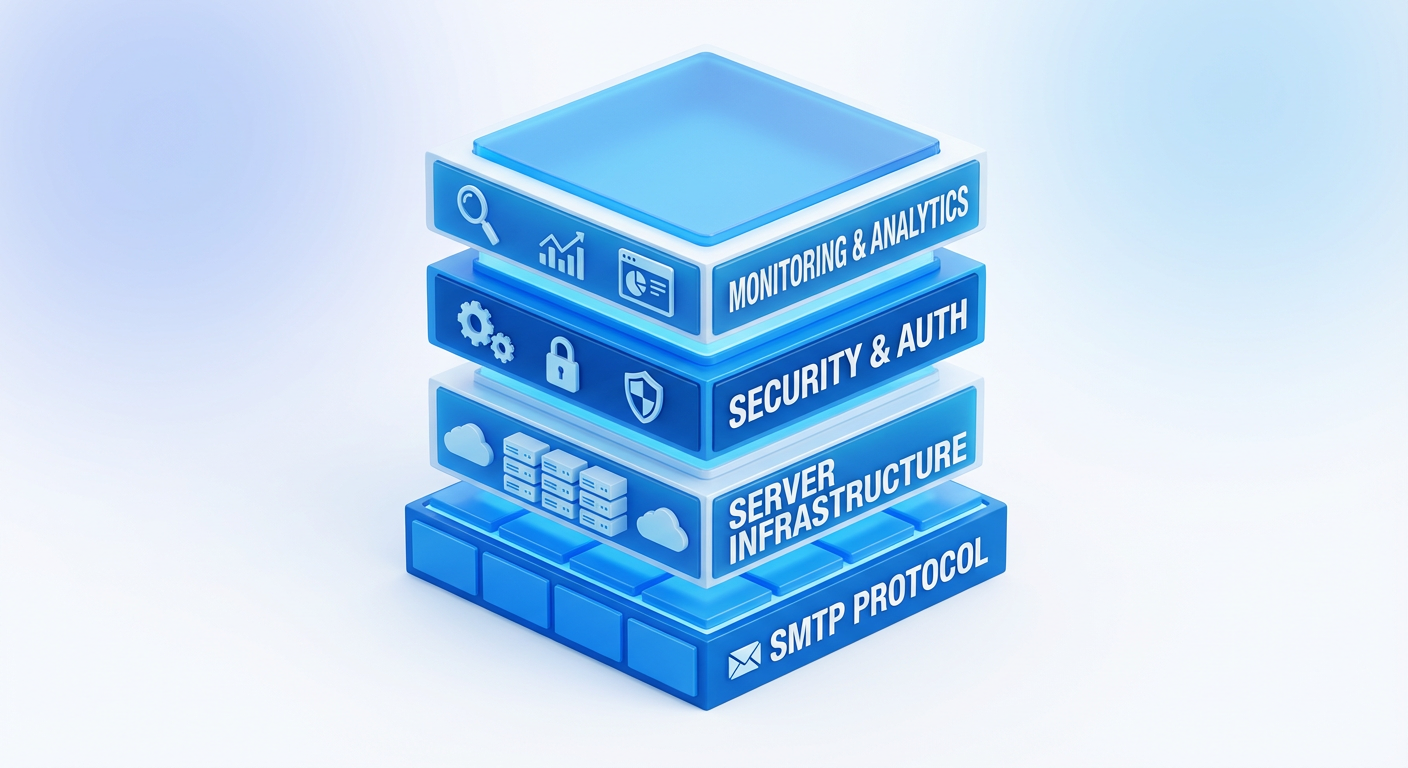
The Role of SMTP in Email Transmission
SMTP functions as the fundamental communication protocol that facilitates sending emails from a client to a mail server and between servers. It defines how messages are routed and relayed across the internet, ensuring data packets reach their intended destination. However, SMTP was designed in an era when security threats were minimal, so it lacks built-in mechanisms to prevent spam, phishing, or spoofing.
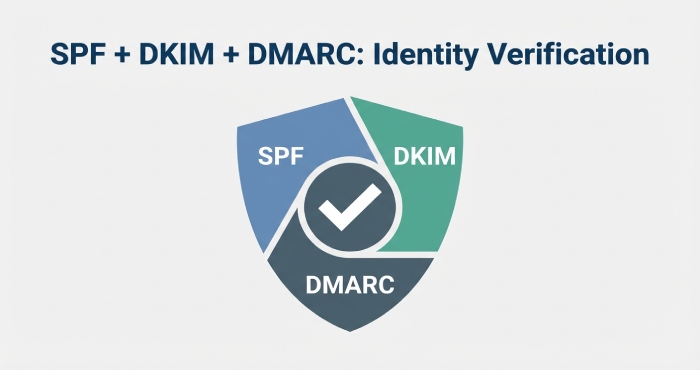
To address these shortcomings, modern email systems incorporate additional protocols such as SPF (Sender Policy Framework), DKIM (DomainKeys Identified Mail), and DMARC (Domain-based Message Authentication, Reporting & Conformance). These authentication methods verify the sender’s identity and enhance trustworthiness, reducing the risk of malicious emails bypassing filters. Companies evaluating MSPs for email management often consult CloudSecureTech’s msp rankings to compare service providers with expertise in implementing these security layers efficiently.
SPF allows domain owners to specify which mail servers are authorized to send emails on their behalf, effectively reducing email spoofing. DKIM adds a cryptographic signature to each email, enabling recipients to verify the message’s integrity and origin. DMARC builds on SPF and DKIM by providing policies on how to handle unauthenticated emails, including reporting mechanisms that help domain owners monitor suspicious activity. Together, these protocols form a critical defense against phishing and other email-based attacks that threaten organizational security.
Despite their effectiveness, these protocols require careful implementation and ongoing management. Misconfigurations can lead to legitimate emails being rejected or flagged as spam, negatively impacting communication. This complexity is why many businesses rely on MSPs who specialize in email security and can ensure these protocols are correctly deployed and maintained.
Email Server Infrastructure and Configuration
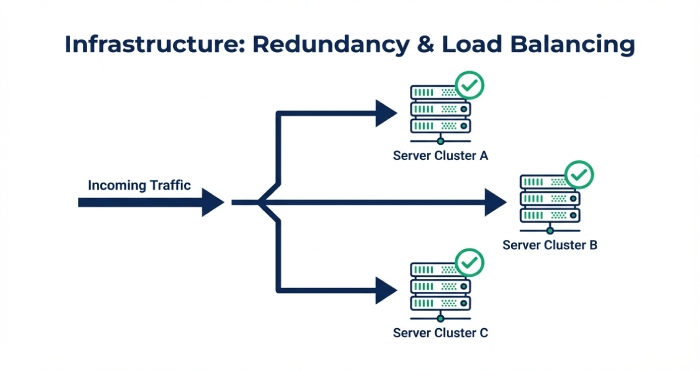
Behind every successful email transmission lies a robust server infrastructure. Email servers must be configured to handle large volumes of traffic, support redundancy, and provide failover capabilities to prevent downtime. This infrastructure includes not just SMTP servers but also IMAP and POP servers that manage email retrieval and storage.
Proper configuration involves tuning parameters such as connection limits, timeout settings, and queue management to optimize performance. Additionally, servers need to be regularly updated to patch vulnerabilities that could be exploited by attackers. According to a 2023 report, 45% of IT outages are caused by misconfigurations or outdated software, highlighting the importance of diligent server management.
High availability is another critical consideration. Email servers are often deployed in clustered environments or across multiple geographic locations to ensure continuous service even if one server or data center experiences issues. Load balancing helps distribute incoming traffic evenly, preventing bottlenecks and ensuring fast delivery speeds.
Furthermore, storage management is vital for handling the vast amounts of data generated by email communication. Email archiving solutions help organizations comply with legal and regulatory requirements by securely storing messages for extended periods. MSPs typically offer these services as part of their email management packages, relieving businesses of the burden of managing complex storage infrastructures.
Security Layers: Protecting Email Communication
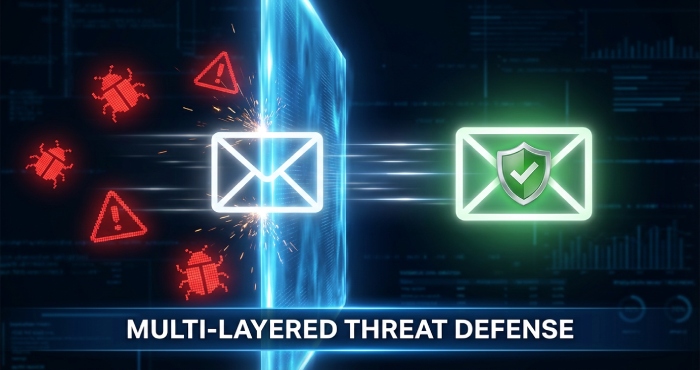
Security is arguably the most critical operational layer in email delivery. Cyberattacks targeting email systems have surged in recent years, with phishing attacks accounting for over 36% of all data breaches in 2022. To mitigate these risks, organizations deploy multi-layered defense mechanisms including encryption, spam filtering, malware scanning, and anomaly detection.
Transport Layer Security (TLS) encrypts emails in transit, preventing interception by unauthorized parties. This encryption ensures that sensitive information remains confidential between sending and receiving servers. Many email providers now enforce TLS by default, but legacy systems or misconfigured servers may still transmit data in plaintext, exposing vulnerabilities.
Advanced spam filters use machine learning algorithms to detect suspicious content before it reaches the inbox. These filters analyze various indicators such as sender reputation, message content, and embedded links to identify potential threats. The use of artificial intelligence has significantly improved spam detection rates, reducing the volume of unwanted emails users receive.
Moreover, anomaly detection systems monitor unusual patterns in email traffic that may indicate compromise or abuse. For example, a sudden spike in outbound emails from a user account can signal a compromised mailbox being used for spam campaigns.
Managed service providers often offer comprehensive security solutions that integrate these technologies, ensuring that email communication remains both reliable and secure. They also assist with compliance requirements such as GDPR, HIPAA, and PCI-DSS, which mandate specific protections for email data depending on the industry and region.
Monitoring and Analytics for Proactive Managem
Continuous monitoring is vital to maintaining the health of email systems. Real-time analytics enable IT teams to track delivery rates, bounce backs, spam complaints, and server performance metrics. Identifying issues early helps prevent service disruptions and maintain sender reputation, which directly impacts deliverability.
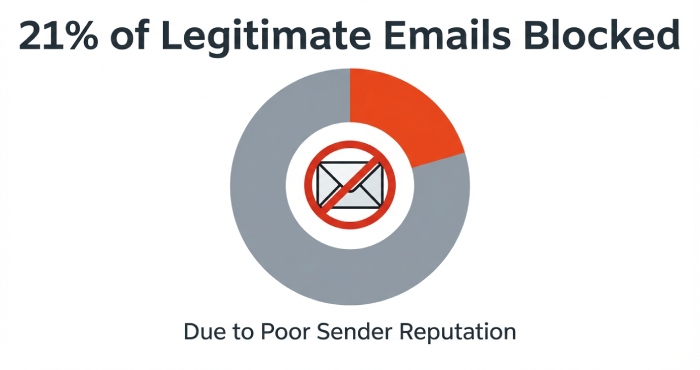
For example, a sender with a poor reputation may find their emails routed to spam folders or blocked entirely. According to a study by Return Path, 21% of legitimate emails never reach the inbox due to poor sender reputation and security failures. Proactive monitoring allows businesses to adjust their email strategies and infrastructure accordingly.
Monitoring tools also provide insights into user engagement, such as open rates and click-through rates, which are valuable for refining marketing campaigns. These analytics help organizations understand how their emails perform in real-world conditions and identify areas for improvement.
Moreover, automated alerting systems notify administrators of critical issues like server outages, spikes in spam complaints, or authentication failures. This rapid response capability is essential in minimizing downtime and protecting the organization’s communication channels.
The Strategic Advantage of Managed Email Services
Given the technical and security complexities involved, many organizations turn to managed service providers for end-to-end email management. MSPs bring specialized knowledge in configuring SMTP servers, implementing authentication protocols, enforcing security policies, and providing ongoing support.
Outsourcing email operations to MSPs can result in higher uptime, enhanced security posture, and compliance with regulatory standards such as GDPR and HIPAA. Additionally, MSPs often provide value-added services like email archiving, disaster recovery, and user training to further safeguard communication channels.
Partnering with a managed service provider can also reduce the total cost of ownership by eliminating the need for in-house email infrastructure and dedicated personnel. This allows businesses to focus on core activities while leveraging the expertise of specialists who stay current with evolving threats and technologies.
Furthermore, MSPs typically offer scalable solutions that grow with the organization, accommodating increasing email volumes and changing compliance requirements. Their proactive approach to email management helps prevent issues before they impact operations, ensuring that communication remains uninterrupted.
Conclusion
Reliable email delivery depends on a multi-layered operational approach that extends well beyond SMTP alone. From infrastructure configuration and authentication protocols to security defenses and monitoring, each layer plays a vital role in ensuring emails are delivered promptly and securely. Businesses looking to optimize their email systems should consider partnering with experienced managed service providers who understand these complexities and can tailor solutions to meet evolving needs. The right partnership not only improves operational efficiency but also protects organizations from the growing threats targeting email communications.