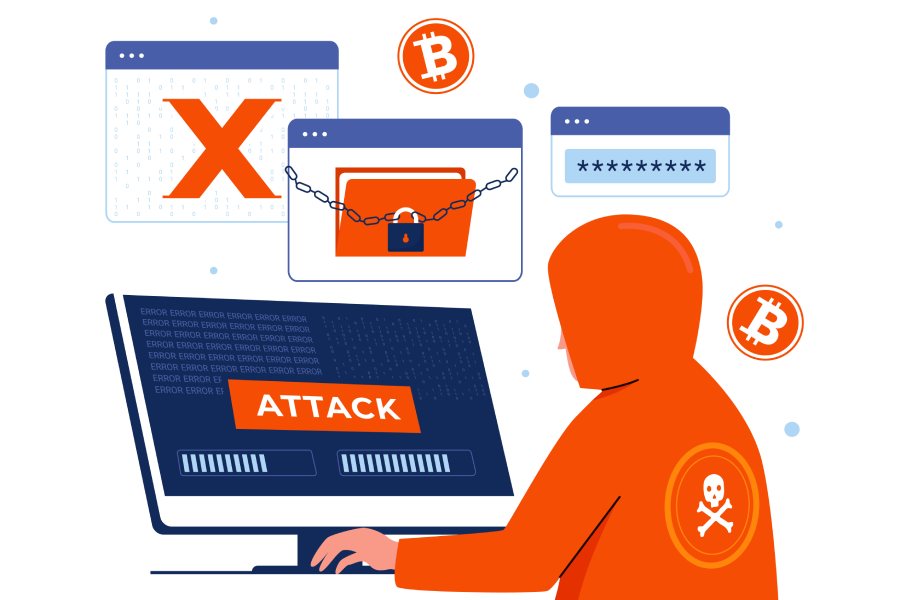
Cyber threats are evolving, and this week has been no exception. From a dangerous CrushFTP vulnerability under active attack to a sophisticated phishing platform preying on mobile users, cyber criminals are refining their tactics. Hackers are also exploiting WordPress features to stay hidden, while a new Android malware is after crypto wallets. With attackers moving fast, staying informed is more critical than ever—here’s everything you need to know.
In the digital age, sending emails that land straight in your recipient’s inbox instead of the dreaded spam folder is crucial for any business or individual wanting to connect. But how do you ensure that your email is recognized as legitimate and not a clever guise for phishing attempts? This is where understanding SPF—Sender Policy Framework—steps in as your email’s best ally. It’s not just a technical jargon; it’s a fundamental element in your email strategy that can make or break your communication efforts. This guide will walk you through the ins and outs of configuring SPF records for AWS SES, helping you enhance your email deliverability and protect your brand from imposters. Let’s dive into the world of SPF and discover how even a little setup can change the way you communicate online!
Dealing with DMARC failures: Here’s how you can fix the errors
by DuoCircle
DMARC is one of the most fundamental and robust email authentication protocols out there. It not only keeps impersonators at bay and protects your domain from being misused but also gives you visibility into who is sending emails on your behalf.
Cross-tenant migration might sound like just a technical hurdle, but it’s essentially about weaving together the digital lives of people in different organizations. Imagine being part of a company merger—suddenly, not only are you expected to collaborate with new colleagues, but your emails, files, and applications need to change homes and still work seamlessly.
Bypassing DKIM: Understanding replay attacks and how to mitigate them
by DuoCircle
Threat actors always try to stay ahead of the curve and find ways to bypass security protocols. DKIM replay attacks are exactly that. In a DKIM replay attack, a cybercriminal resends a DKIM-signed message to multiple recipients without the emails getting flagged. They generally target highly reputed domains to generate legitimate message signatures. Gmail recipients, in particular, are more likely to receive replayed emails because it greatly prioritizes domain reputation.
How to safeguard your online presence with MFA and DMARC?
by DuoCircle
Digitization seems like a double-edged sword. You choose it, and you may lose your data. You ignore it, and you will be declared obsolete soon!
Every day, we come across multiple news stories of cyberattacks around the globe. This makes us believe that cyber threats are real and that threat actors are lurking around us, waiting to attack us the moment we go carefree. Common people as well as the biggest global agencies and critical infrastructures have been on the radar of threat actors.
In the world of email communication, trust is everything. Just think about it: your inbox is a gateway to countless messages, some of which are vital for work or personal life. Yet, with the rise of email spoofing and phishing attacks, keeping your communications safe can feel like a daunting task. Fortunately, there’s a solution that doesn’t require you to be a tech whiz: SPF records. These simple yet effective tools help you verify which servers are allowed to send emails from your domain, acting as a safeguard against deceptive practices. In this article, we’ll dive into how to create accurate SPF records using generators, the importance of these records for email security, and ways to troubleshoot common issues—all in an effort to ensure your emails reach their intended recipients safely and securely.
From hackers targeting Hyper-V servers to fake file converters spreading malware, there’s plenty to watch out for. There’s also news of Counter-Strike 2 players being tricked into handing over their Steam accounts, and a new ransomware strain is hitting multiple operating systems at once. Even npm packages aren’t safe, with attackers sneaking in backdoors through open-source libraries. Stay ahead of these risks with our latest cybersecurity bulletin—because knowing what’s out there is the first step to staying secure.
DMARC TempError- What is it and how can this issue be resolved?
by DuoCircle
DMARC TempErrors are the different types of authentication issues in DKIM and SPF policies. These are temporary in nature. Fixing them is important, or they may lead to DMARC failure for your legitimate emails. DMARC is one of the most significant email authentication policies, which enables domain owners to instruct recipient email servers about emails that fail SPF and DKIM checks. A TempError can easily disrupt this process, thereby hampering email authentication and deliverability.
Cloud email security refers to the measures and systems implemented to safeguard email communications against threats such as phishing, spam, and malware. It is crucial for organizations, especially those transitioning to cloud-based services like Microsoft 365, as it helps prevent data breaches and ensures the integrity of sensitive information communicated via email.
Preparing for the discontinuation of the NCSC aggregate DMARC reporting feature
by DuoCircle
Beginning March 24, 2025, the UK National Cyber Security Centre (NCSC) has stopped providing DMARC aggregate reports. Mail Check is NCSC’s official platform that helps domain owners evaluate email security compliance so that they can figure out if someone is abusing their email domains. It has discontinued the aggregating reporting feature to enhance accessibility and manage costs.
Phishing protection software is essential for safeguarding your personal and organizational data against sophisticated email threats that exploit human trust through deceptive tactics. With increasing risks of financial loss and identity theft from phishing attacks, utilizing robust security tools helps ensure real-time protection, blocking malicious links, and enhancing overall cybersecurity measures.
Most people follow ethical SEO practices, creating content that’s great for the users and easy to crawl for the search engines. The ones who want to cheat the system will try to exploit Google ranking algorithms to get a lot of traffic but risk penalty from the search engine.
How do you achieve SPF alignment to enhance email security and deliverability?
by DuoCircle
SPF alignment is one of those behind-the-scenes checks that decides whether your emails will land in the recipients’ inboxes or end up in their spam folders. Since the fate of your outgoing emails is dependent on this, you cannot simply overlook it or, even worse, assume that setting up an SPF record alone is enough.
Tenant-to-tenant migration in Office 365 involves transferring data, applications, and configurations from one Microsoft 365 tenant to another, often during mergers or organizational changes. Key considerations include understanding your business scenario, selecting the appropriate migration approach (single event vs. phased), addressing domain management challenges, and utilizing reliable third-party tools for a smooth transition.
The internet never sleeps and halts, and neither do cyber threats and its malicious actors. This week, sneaky apps tricked millions, hackers pulled off a clever email scam, and a big ransomware attack hit critical systems. Meanwhile, Google is making a massive security move, and Telegram’s CEO is caught up in legal trouble. Here’s everything you need to know about the latest in cybersecurity!(more…)
How do threat actors use SPF policies in BEC attacks?
by DuoCircle
Business email compromise, or BEC, is a sophisticated phishing attack conducted primarily through a combination of social engineering and deception to get access to sensitive data, files, systems, networks, etc. It’s attempted mainly by impersonating a company’s C-suite, instructing executives to share data, or authorizing fraudulent wire transfers. For example- an executive receiving an email from a scammer pretending to be their boss, urgently asking them to buy gift cards and sharing the codes. They think it’s real, but it’s actually a trick to steal money!
The best email security solutions for Managed Service Providers include Barracuda Email Protection, which combines AI-powered security with web protection and data safeguards, as well as Avanan, known for its multi-platform security features. MSPs should evaluate solutions based on their ability to protect against various threats, ease of management, and scalability to support multiple clients effectively.
There are plenty of communication channels out there, but the one that has stayed and created the most significant impact on businesses is email. You might agree with us when we say that email is indispensable when it comes to connecting your brand to your clients.
Email sending services are platforms that facilitate the management and delivery of transactional and marketing emails for businesses, ensuring high deliverability rates. These services often include features such as robust APIs, dynamic email templates, and user management capabilities, all designed to enhance communication efficiency and engagement with customers.

![CrushFTP Exploit Alert, Lucid Phishing Surge, WordPress Plugin Exploit – Cybersecurity News [March 31, 2025]](https://www.duocircle.com/wp-content/uploads/2025/04/sender-policy-framework-5643.jpg)



![RedCurl Ransomware Targets, CS2 Steam Phishing, Fake Converter Cyberattacks – Cybersecurity News [March 24, 2025]](https://www.duocircle.com/wp-content/uploads/2025/04/spf-record-tester-5621.jpg)



![Vapor Apps Malware, Coinbase Phishing Scam, Medusa Ransomware Attack – Cybersecurity News [March 17, 2025]](https://www.duocircle.com/wp-content/uploads/2025/03/spf-record-check-8904.jpg)