
5 Common Email Marketing Challenges and How to Overcome Them
Understanding the common email marketing challenges and how to overcome them is crucial to unlocking the true potential of this channel.

Understanding the common email marketing challenges and how to overcome them is crucial to unlocking the true potential of this channel.
Cyberattacks have become a grim reality of our digital world, with each attack increasingly sophisticated, targeted, and damaging than the last! Every click, every download, and every seemingly harmless online interaction has the potential to let in uninvited guests [read: cybercriminals] who can wreak havoc on your digital infrastructure in ways you cannot imagine.
![Android Data Breach, Ring Settlement Payout, Iran Cyber Sanctions – Cybersecurity News [April 22, 2024]](https://www.duocircle.com/wp-content/uploads/2024/04/hosted-email-server-2.jpg)
Here we are with the latest cybersecurity news of the week, covering the scoops on the new Brokewell malware, the FTC settlement for Ring users, the sanctions on Iranian threat actors, the return of HelloKitty malware, and the spread of Redline malware via game cheats. Let’s take a look!
Email communications are sensitive and prone to exploits, as many details and attachments are exchanged. Threat actors look for vulnerabilities in an email ecosystem and develop strategies to compromise them to steal, alter, and intercept financial details, login credentials, medical information, etc.
Every email marketer strives towards one thing— ensuring that their emails not only reach their recipients’ inboxes but also engage and convert. This is what we call email deliverability, the measure of how successful an email is at reaching the recipient’s inbox, and it’s a metric that can make or break your email marketing efforts.
How safe are your emails? You might think that your email is just a simple tool for communication, but it’s actually a potential entry point for cybercriminals. With over 3.4 million malicious emails sent daily, which is 1.2% of the total email traffic, the chances of your email being one of them are not very bleak! Now, add to this the vast range of threats ranging from phishing to ransomware and malware, each designed to infiltrate, deceive, and damage to the best of its capabilities.
![Car Maker Targeted, Water Utility Infiltrated, Facebook Data Settlement – Cybersecurity News [April 15, 2024]](https://www.duocircle.com/wp-content/uploads/2024/04/smtp-server-mail-2.jpg)
From the latest phishing attacks aimed at a massive American car manufacturer, the impersonation tactics of Sandworm threat actors, the details of the pixel data breach settlement, Google’s ad-blocking measures on YouTube, and the surge in SMS road toll phishing scams—we’re back again with the top cybersecurity news of the week. Stay tuned!
The first quarter of 2024 registered a 28% increase in the average number of cyberattacks per organization as compared to the fourth quarter of 2023. While this surge is the aggregation of all types of cyberattacks, the contribution of unsecured emails as a means of exploitation has been massive.
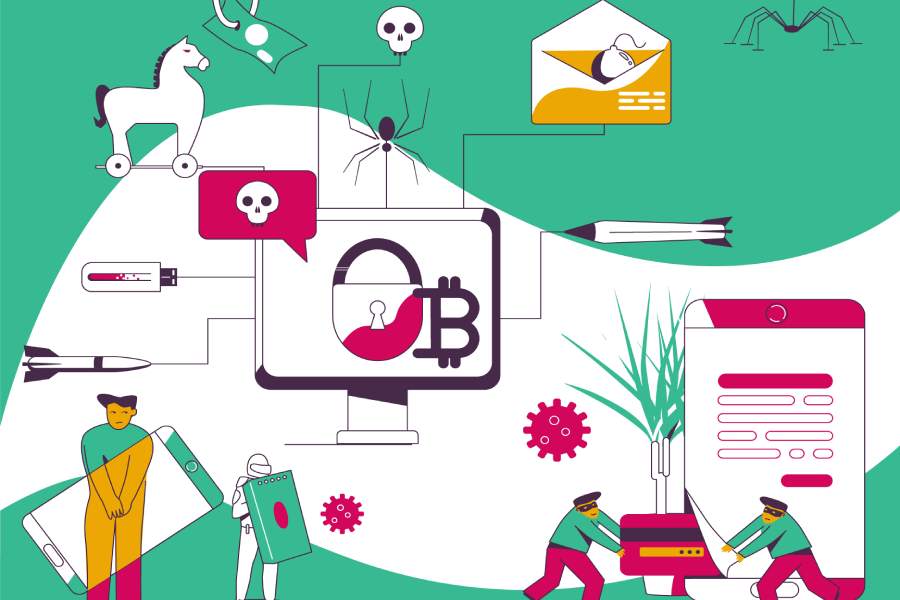
Check Point Research has released the latest report enlisting the top 10 phishing brands for Q1 2024. Microsoft topped the list, with 38% of phishing attacks targeted at it, while Google and LinkedIn experienced 11% of attacks each. What’s surprising is Airbnb’s entry with 1% of attacks; this could be due to the seasonal holiday surge, specifically among travelers preferring to stay at unique accommodations.
![How to Validate Email Addresses for Improved Deliverability [Tools & Best Practices]](https://www.duocircle.com/wp-content/uploads/2024/04/hosted-email-server-7551.jpg)
In the world of email marketing, your sender’s reputation is everything. If you’re sending emails to invalid or inactive email addresses, this tells email service providers (ESPs) and internet service providers (ISPs) that your address isn’t trustworthy.
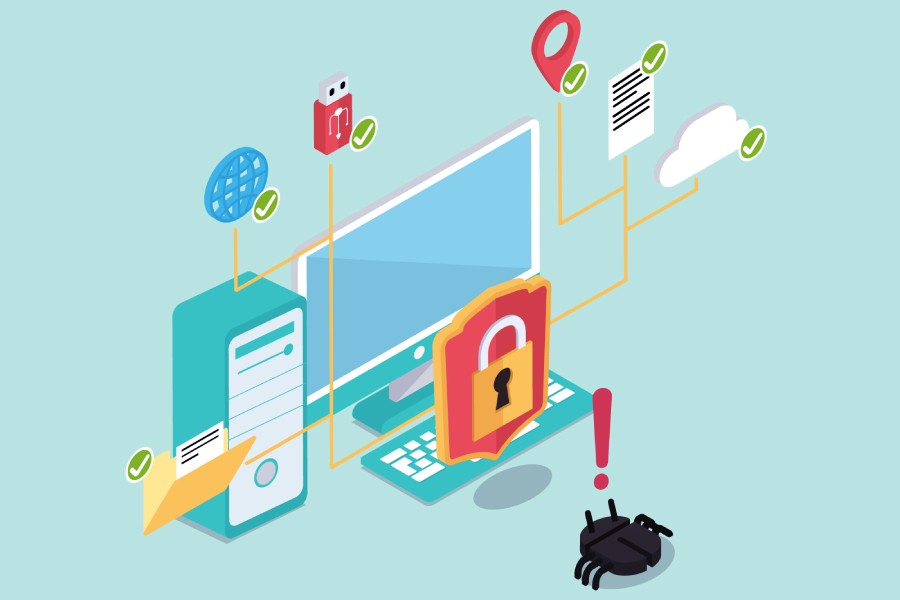
Did you know that there’s more to DMARC implementation than just the policies that determine what happens to emails that don’t pass authentication checks (SPF and DKIM)? It is the reporting feature of DMARC that sets the tone for the overall effectiveness of your email security strategy. DMARC reports offer comprehensive insights into how emails claiming to come from your domain are being handled by their recipients and the ones that fail DMARC, SPF, or DKIM validation, providing a clear view of both legitimate and fraudulent activities.
![Google Admin Security, SharePoint File Theft, Health Department Cyberattacks – Cybersecurity News [April 08, 2024]](https://www.duocircle.com/wp-content/uploads/2024/04/what-is-a-dmarc.jpg)
To stay ahead of threat actors and protect valuable assets, you must keep up with the latest cybersecurity news. Join us, and we’ll take you through this week’s discoveries with the new dual admin approval feature in Google Workspace, the new vulnerabilities in Microsoft SharePoint, how threat actors are targeting healthcare IT desks to steal finances, fake Facebook ads and pages spreading malware via hijacked AI tool pages, and the RUBYCARP botnet that has been operating for a decade. Stay Tuned!
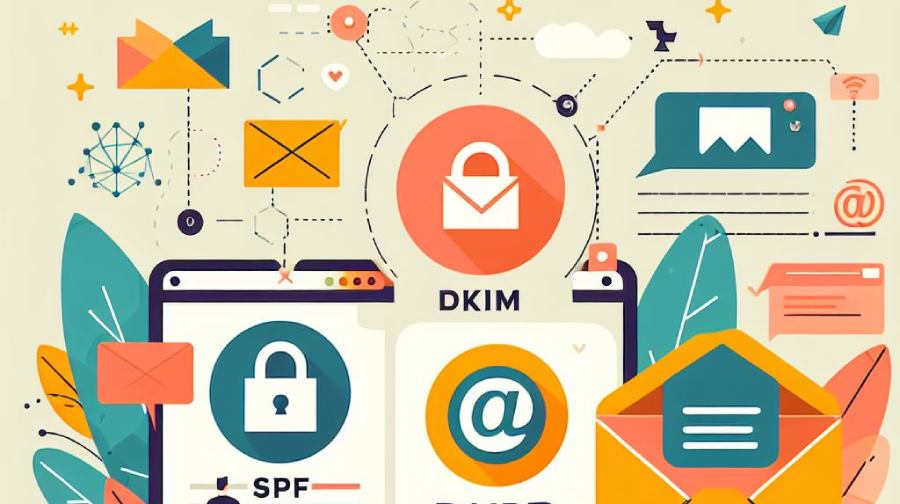
DMARC has already gained the attention it deserves, owing to its efficiency in combatting phishing and spoofing attacks. But the journey wasn’t fast and steady from the beginning. It all started when SPF came into play, followed by the amalgamation of Yahoo’s DomainKeys and Cisco’s Identified Internet Mail (IIM). This blog covers the journey of all three email authentication protocols in detail.
Are you struggling to safeguard your organization’s data from the plague caused by malicious attacks such as spoofing, DDoS, phishing, malware, etc.? In your pursuit of a secure and resilient future for your organization, we are sure you must have come across the term “cyber security strategy” quite often! Do you think it is just another buzzword, or does it carry real significance?
Both these terms sound alike, so some people get confused and use them interchangeably. However, doing so isn’t right. DKIM, which stands for DomainKeys Identified Mail, is a successor to Yahoo’s DomainKey or DK.
![Lama Security Breach, AT&T Security Lawsuit, Russian Card Theft – Cybersecurity News [April 01, 2024]](https://www.duocircle.com/wp-content/uploads/2024/04/Office-365-migration.jpg)
We’re back with the latest cybersecurity scoop of the week. We’re here with the SurveyLama security incident, why AT&T is facing class action lawsuits, Russians charging individuals behind a 7-year card skimming campaign, how India freed 250 nationals being forced into cybercrime, and the latest JSOutProx malware strain that can steal your card details so you can avoid these threats.

Sometimes, Google Calendar invites don’t pass DMARC authentication checks because when the recipient replies to the invitation, the response is sent back through Google’s servers. Since the ‘From’ address and the originating servers don’t align, the Google Calendar invitation gets rejected as the sending domain’s DMARC policy instructs so.

How do you stay one step ahead in a world where cybersecurity threats evolve faster than a click? One of the best ways to stay on top of your cybersecurity game is to cultivate a comprehensive understanding of the various determinants that shape the cybersecurity landscape—major threats, emerging technologies, regulatory changes, etc. And what better way to gain insights into all of this and more than by attending conferences?
DMARC failure reports give insights into why emails failed DMARC checks and show where the trouble is to help you fix it. Invalid DMARC records fail to filter out phishing and spoofing emails. So, ensure your SPF and DKIM settings are correct, address alignment issues, and manage subdomains carefully.
![Darcula Device Phishing, KuCoin AML Charges, Finland APT31 Culprits – Cybersecurity News [March 25, 2024]](https://www.duocircle.com/wp-content/uploads/2024/04/dmarc-generator.jpg)
Here we are again with the latest in cybersecurity to help you keep up and stay a step ahead of threat actors and new scams. This week, we’ll share information about the Darcula phishing scheme targeting mobile devices, KuCoin’s failure to cope with the US AML requirements, the Finnish Police’s latest update on the parliament breach, the advanced PhaaS tool that bypasses MFA, and also how Google’s AI-powered search is promoting scam websites and malware. Let’s get into it.