Here’s the latest scoop on cybersecurity news around the world with the FBI’s new LockBit decryptor, the new cookie storage update by Google for Chrome users, how Club Penguin users breached a Disney server, the New v3B phishing kit, and the hijacking of Microsoft India’s X account. Let’s dive in!
Handling False Positives and Negatives in Email Filtering
by DuoCircle
False positives happen when email filtersmisjudge genuine emails and mark them as spam or malicious. On the other hand, false negatives are illegitimate and spam emails that pass through these filters without getting detected. Both are problematic for legitimate senders and recipients. Because of false positives, important emails don’t land in the recipients’ inboxes and impact communications. Whereas, due to false negatives, recipients end up getting tricked into downloading malware-infected files, sharing sensitive details, transferring money, etc.
How DMARC Manages Domains and Subdomains to Prevent Spoofing?
by DuoCircle
Businesses are now being mindful of protecting their domains with SPF, DKIM, and DMARC, but what about the times when you send emails from your subdomains? As a domain owner or administrator, you create a DMARC record that instructs how email-receiving servers should evaluate incoming emails from your domain to check their legitimacy. This process flows smoothly when domains are included, but it gets a bit complicated with the involvement of subdomains.
Here we are back again with the latest cybersecurity news around the world covering the malware posing as Microsoft Office on torrent websites, the Cooler Master data breach, the takedown of 911 S5 botnet, YouTube causing trouble for ad blockers, and the arrest of an Indian man for creating a fake Coinbase website and stealing crypto. Stay tuned!
What is DKIM Alignment and How Does it Impact DMARC?
by Duocircle
If you are an email marketer or brand that sends out regular email campaigns, you would agree with us when we say that building trust with your audience is the key to converting them into your customers. But how do you build that trust, especially through email campaigns?
The History of Email- Yesterday, Today, and Tomorrow!
by Duocircle
Ray Tomlinson, a visionary, first introduced the concept of email in 1971. Since then, this online communication medium has undergone several changes and developments. Let’s delve into some of the intriguing backstories that narrate how email evolved into what it is today, all thanks to Tomlinson and his fellow techies’ pioneering work.
60% of consumers want to receive promotional content via email. This is promising news for businesses looking to engage in email marketing, including those in the healthcare industry.
Orb Proxy Evasion, Dark Web Arrest, Chinese Hackers Infiltrate – Cybersecurity News [May 20, 2024]
by Duocircle
We’re back again with the latest cybersecurity news scoop of everything major that happened this past week. Join us as we take a look at state-sponsored threat actors using Orb Proxies, the arrest of the man behind a dark web drug market, Chinese hackers targeting military organizations, the return of Grandoreiro banking malware, and the infiltration of JAVS software.
Cybercrime Surge: The Automotive Sector Under Siege!
by Duocircle
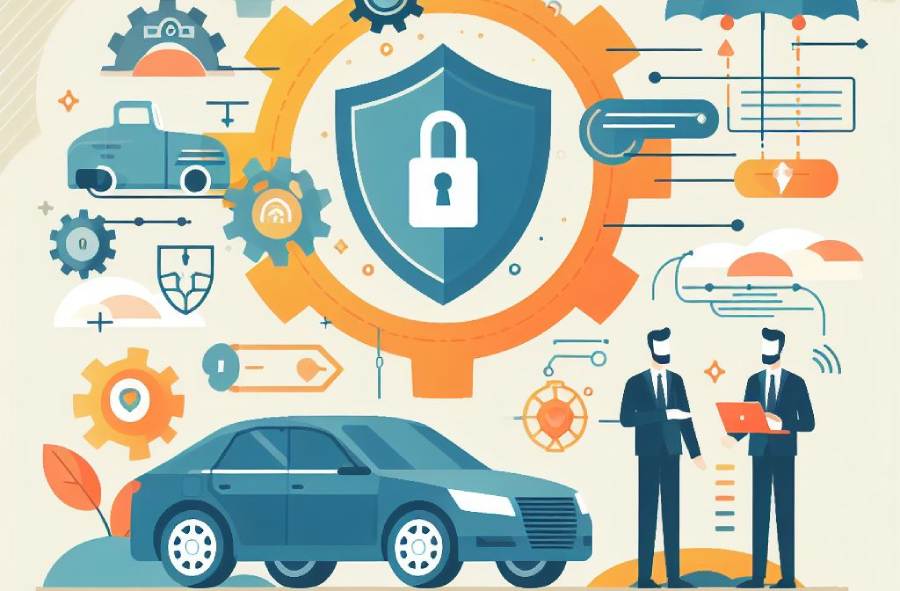
The automotive industry is known for its stability. Even when it received a significant setback during the COVID-19 phase, the automobile industry managed to come out of the dark phase and increased its sales to 75.3 million units. By the end of 2033, the global automotive industry is expected to be worth a whopping $7 million.
This week’s cybersecurity news is packed! We’ve got Google stepping up its game with anti-malware features for Android 15, a data breach impacting Nissan employees, the takedown of a major hacking forum, and a case of stolen Ethereum cryptocurrency involving two brothers. Plus, the FCC is taking aim at robocalls with a new classification system. Want to know more? Read on!
In DKIM replay attacks, bad actors exploit highly reputed email domains and produce legitimate DKIM keys corresponding to them. The produced keys are then used to bypass DKIM filters and compromise the online security of thousands of recipients. All this is possible because, upon reception, the recipients’ mail servers find no discrepancies in DKIM authentication; hence, the emails are placed in the primary inboxes.
Microsoft’s Per Day Limit on Exchange Online Bulk Emails to Minimize Spam Instances
by Duocircle
From January 1, 2025, all Microsoft Exchange Online users will be subjected to a daily limit of 2,000 external recipients per 24 hours. The reason for implementing this limit is to stop overburdening the resources involved in the process. Microsoft Exchange Online was never designed to send bulk emails, and that’s why the resources are not capable of handling high-volume email traffic.
Here’s our latest cybersecurity news piece that will show you how to keep yourself safe from all the new tactics of cybercriminals and what’s going on in the digital security space. Join us, and we’ll share how the UK Ministry of Defence’s payroll data was compromised, why Wichita had to halt its IT network operations, the new details about LockBit and its potential return, NSA’s alert on North Korean threat actors misusing DMARC policies for spear phishing and intelligence exfiltration, and the data compromise of 800K individuals by the University System of Georgia.
Kevin Mitnick- One of The Greatest Showmen in the Cyber World!
by Duocircle
Kevin Mitnick is an unforgettable name in the history of cyber crimes. He was known by the name of “The World’s Most Famous Hacker.” An American computer security consultant, bestseller author as well as famous security speaker, Kevin David Mitnick created ripples in the cybersecurity world with his notorious hacking stints.
How Can Third-Party Marketing Agencies Send DMARC Compliant Emails on Behalf of Others?
by Duocircle
Businesses often outsource marketing work to third-party agencies as they have people with special skill sets and expertise in areas like branding, digital marketing, social media management, media relations, content creation, etc. Moreover, it’s a cost-effective measure because hiring an in-house marketing team can be heavy on pockets, especially for small and medium-sized businesses.
We’re back here with the latest cybersecurity news that shook the world this week. We’ll shed light on the executive sentence issued by the U.S. military, the alert about Pro-Russian hacktivists targeting water infrastructure, the new Cuttlefishmalware, the cyberattack on London Drugs, and how scammers are targeting data website users for stealing credit card details and personal information. Stay tuned!
Why is Sending Forged and Impersonated Emails Easy?
by Duocircle
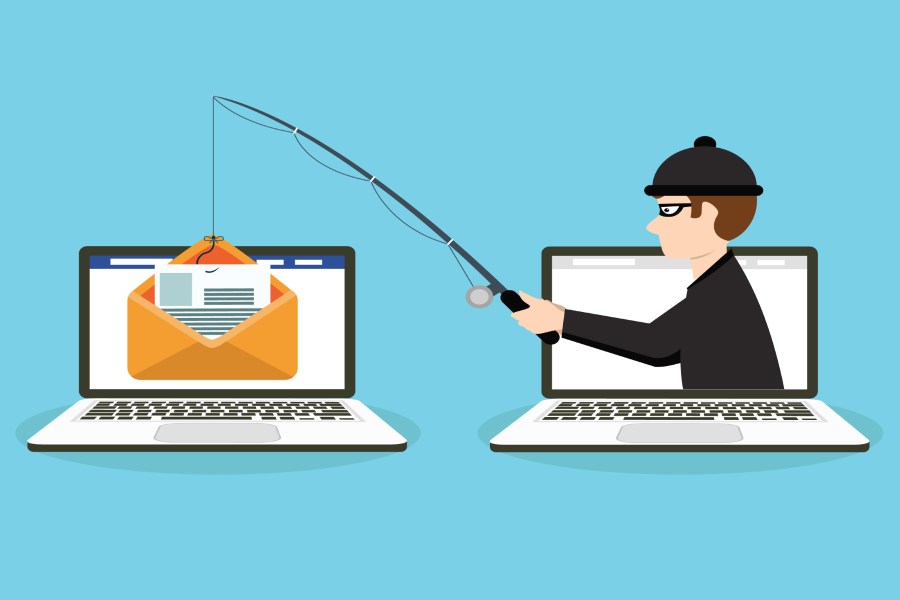
On average, 3.4 billion forged emails are sent each day, and in the fourth quarter of 2023 alone, 1339 brands became victims of phishing attacks. The number of such instances is increasing year by year because email forging is becoming easier with automated tools, artificial intelligence, cybercrime-as-a-service (CaaS), etc. In fact, as per a report by SlashNext, there has been a 1,265% increase in phishing attacksin the 12 months from Q4 2022 to the end of Q3 2023.
Decoding Canonicalization: The Reason Behind DKIM Signature Verification Failures
by Duocircle
When you send an email to someone, it embarks on a complex journey before it reaches the recipient’s inbox. While this might seem like a seamless, instantaneous process, it is prone to being tampered with along the way. This is why it is recommended that you implement DomainKeys Identified Mail (DKIM) for your email communications.

![FBI Recovers Decryption Keys, Chrome Reduces Cookies, Penguin Fans Breach – Cybersecurity News [June 03, 2024]](https://www.duocircle.com/wp-content/uploads/2024/06/anti-phishing-software.jpg)

![Microsoft Office Malware, Cooler Master Breach, 911 Botnet Dismantled – Cybersecurity News [May 27, 2024]](https://www.duocircle.com/wp-content/uploads/2024/06/email-migration-service-2.jpg)
![Orb Proxy Evasion, Dark Web Arrest, Chinese Hackers Infiltrate – Cybersecurity News [May 20, 2024]](https://www.duocircle.com/wp-content/uploads/2024/05/365-to-365-migration.jpg)
![Android 15 Enhances Security, Nissan Data Breach, Ethereum Theft Apprehension – Cybersecurity News [May 13, 2024]](https://www.duocircle.com/wp-content/uploads/2024/05/what-is-dkim-7.jpg)
![UK Defence Payroll Breached, Wichita Ransomware Pause, Lockbit Teases Reveal – Cybersecurity News [May 06, 2024]](https://www.duocircle.com/wp-content/uploads/2024/05/what-is-dkim-3.jpg)
![Fraudulent Executive Sentenced, Hacktivists Target Water, Router Login Theft – Cybersecurity News [April 29, 2024]](https://www.duocircle.com/wp-content/uploads/2024/05/anti-phishing-software.jpg)