Servers go down. And when they do it can negatively impact your business, from lost productivity to lost customers. You don’t want that to happen. Monitoring email is not as simple as checking to see if the port responds, you have to validate that the entire mail flow is functioning. So, how do you find out that your email server is down and not accepting emails or just taking too long to respond? More importantly, how long does it take for you to discover it? Minutes? Hours?
We live in a software-as-a-service (SaaS) world. It’s great being able to pay a monthly fee and have some other companies handle your organization’s services for you. There are all kinds of companies that provide SaaS services. (more…)
It’s a common folklore that the greatest cyber-attacks in history are pulled off by genius hackers using clever hacking techniques to exploit a zero-day vulnerability on some obscure back-room database server. The reality is very different.
DuoCircle LLC is an integrated, cloud-based email solutions company. DuoCircle has launched AutoSPF, a service that helps companies avoid going over their DNS lookup limit by automatically flattening their SPF record. Going over the DNS lookup limited can keep emails from being delivered.
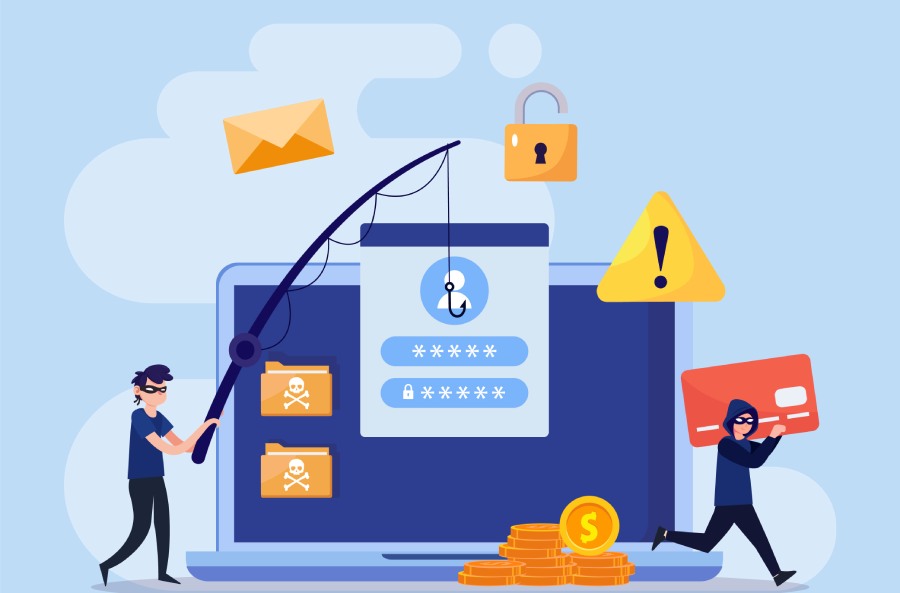
Phishing attacks are becoming more prevalent across almost all industries worldwide. But some industries are targeted more frequently than others.
Email fraud remains one of the most common ways cybercriminals gain unauthorized access to their victims’ IT systems. Now, however, cybercriminals are beginning to expand their attacks to include more sophisticated tactics that rely on email, social media, and even victims’ mobile devices. You need more than email security to protect yourself against phishing.
There are a lot of benefits to using Microsoft Office 365. It contains business tools with which you’re already familiar. It’s easy to set up and offers anytime, anywhere access.
You’ll see many of these features and benefits promoted on the Office 365 website. Won’t you want to see there among the list though is that using Office 365 makes you extremely vulnerable to a phishing attack. Why is that?
There was a time when hackers and email scammers used spear phishing to trick their victims into sending money. By the time someone figured what had happened, the money was gone forever. But, people are starting to get wise to that tactic. So, what do the hackers do? They evolve…all the way to blackmail.
Cybercrime is one of the most prevalent and growing threats that organizations face today. Malware, and particularly ransomware, can cost companies millions of dollars and heavily impact user confidence. When the city of Atlanta found itself victimized by a ransomware attack, it ended up signing eight emergency contracts – and spending a total of $2.6 million – to control the damage.
Why are small businesses at greater risk for phishing and hacking? It’s not because they make the juiciest targets. It’s because they make the easiest targets. Why is that? Because they don’t always have what it takes to defend themselves.
In the world of cybersecurity, it’s a well-known fact that 93% of data breaches trace their original attack vectors back to phishing. In the overwhelming majority of cases, hackers use phishing to get their foot in the door of the network they’re targeting.
Defense Contractors Get Taken in by Business Email Compromise
Business email compromise (BEC) is a form of email fraud that typically involves targeting employees with access to company finances and using social engineering to trick them into making money transfers to the bank accounts of the fraudster. According to an article on security websiteCyberscoop, scammers used BEC to steal more than $150,000 from two defense contractors last year.
Duocircle, a web-based email security solutions company, has chosen to sponsor Let’s Encrypt for the second year in a row. Let’s Encrypt is a service provided by the non-profit Internet Security Research Group. Let’s Encrypt gives people free digital certificates because they want to create a more secure and privacy-respecting web.
The whole idea behind phishing awareness training is to keep you off of malicious websites. But what if the web site you want to visit, a known good website, is actually malicious? It’s more likely than you may think.
The best cybercriminals tend to be innovative and intelligent. They constantly update their strategies and tactics to account for new developments in the cybersecurity landscape and always manage to find new vulnerabilities to exploit.
If You Think Phishing Is Only Your Employer’s Problem Think Again
If you work for a company, you probably think about phishing attacks in a distant sort of way. In other words, phishing may be a problem, but it’s not your problem, really. It’s your employers’. Right? Wrong.
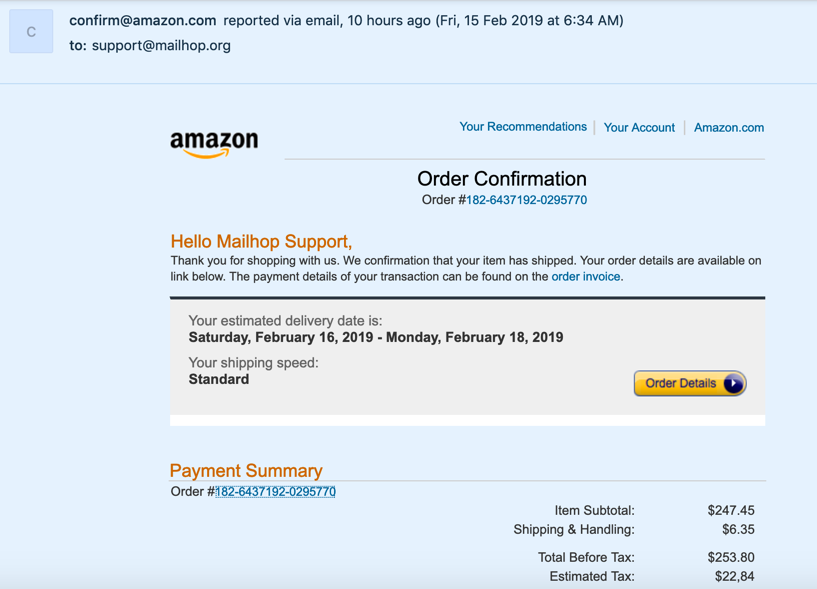
Today we received an email to our Freshdesk support tool that that was an Amazon.com confirmation messages that contained download links to an infected Microsoft Word document.
There are 3.8 billion email accounts worldwide, and 281 billion emails were sent per day in 2018. Chances are, your business has contributed a bit to that number.
After a while, the accumulated emails can get unruly, not to mention become problematic as well. To solve those problems, you should consider email archiving.
Russia and its hackers have been popular in the news for the past several years. Whether to allegedly influence foreign elections or steal intellectual property its sphere of influence is worldwide.
But first a bit of history.
How did we get to this point in time? Countries have always been involved with clandestine activities to undermine or even overthrow neighboring governments. They have used deception and sometimes even force to accomplish their goals. So it was only a matter of time before technology was embraced as a tool to this end. And so began the partnership between hacker and government.
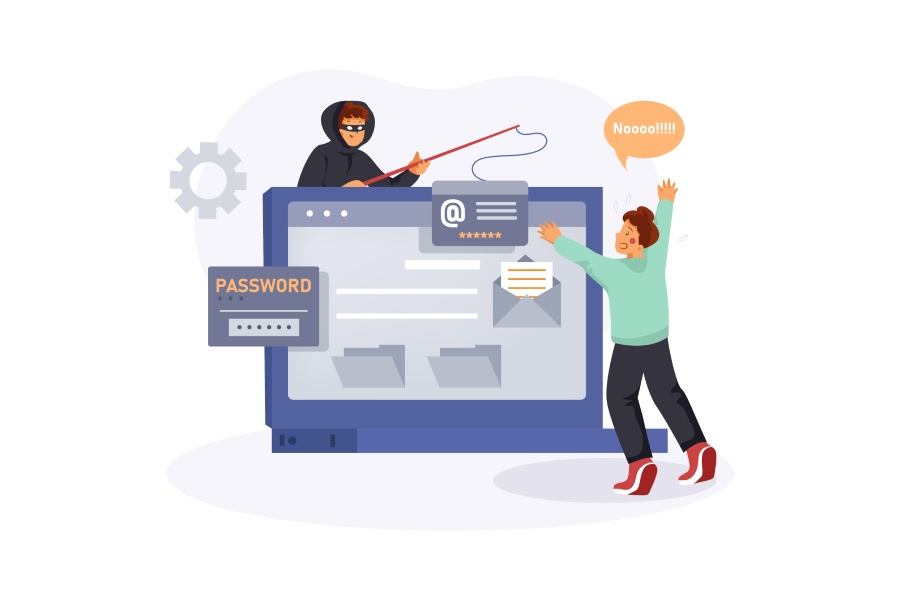
Spear phishing is when you receive an email from someone or some company you trust. It looks legitimate. It may even have the names and extension number of coworkers. It looks authentic, so you don’t give it a second thought. But you should, because it’s from an attacker, and they’re trying to steal your valuable information. Do you have reliable email phishing prevention security?
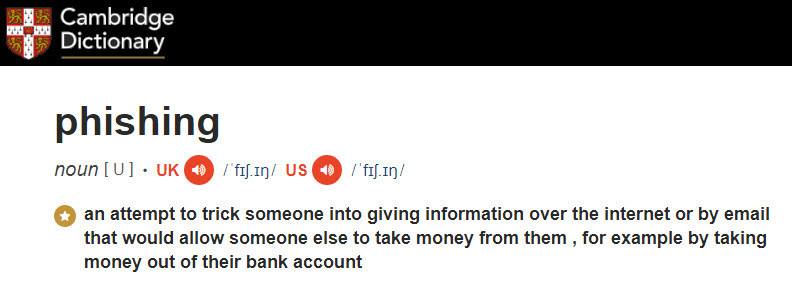
2018 was a good or bad year for phishing or phishing prevention depending on which side of the law you were on! Phishing is defined in many places on the internet, but I like the Cambridge Dictionary definition the best: “an attempt to trick someone into giving information over the internet or by email that would allow someone else to take money from them, for example by taking money out of their bank account”.



![[News] Small Businesses Face Big Security Risks](https://www.duocircle.com/wp-content/uploads/2019/03/SMTP-server-mail-4735.jpg)
![[News] If Cybersecurity Professionals Can Get Phished](https://www.duocircle.com/wp-content/uploads/2019/03/SMTP-relay-6841.jpg)
![[News] How Phishing Protection can Lower Your Utility Bill](https://www.duocircle.com/wp-content/uploads/2019/03/spf-record-check-4523.jpg)