When DKIM is not properly aligned for your domain, your outgoing emails may be at risk of tampering. That means anyone can make unauthorized changes to your email while it’s on the way to the receiver’s inbox, and the recipient might never even know it was altered.
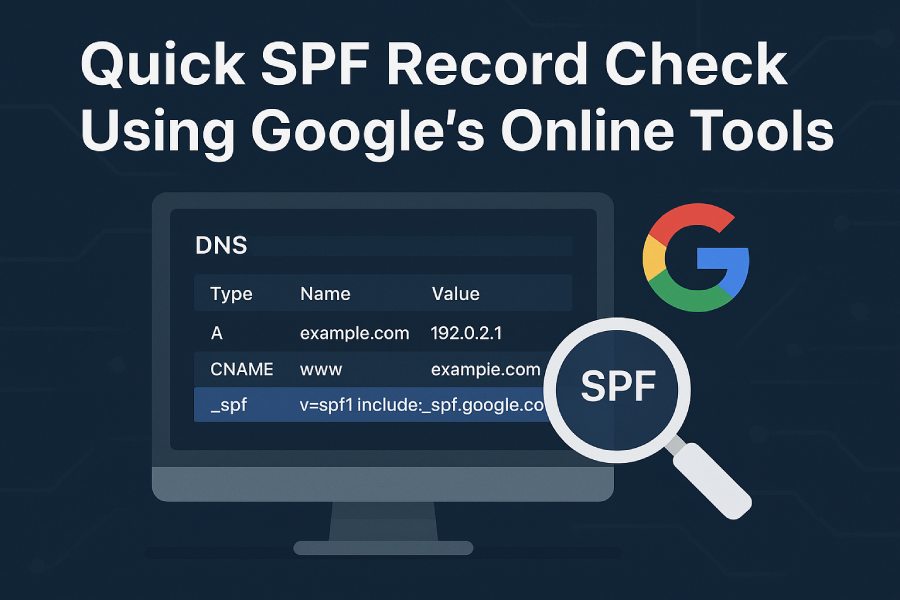
Sender Policy Framework (SPF) is a critical email authentication protocol that plays a vital role in bolstering email security. Essentially, SPF allows domain owners to specify which mail servers are authorized to send emails on their behalf by publishing specific rules within DNS TXT records. This configuration helps receiving mail servers verify if incoming messages claiming to be from a particular domain are indeed sent from legitimate sources.
Why should you care about DMARC? What happens if you don’t?
by DuoCircle
Apart from the fact that most major email service providers and organizations have made DMARC mandatory, many teams enable it without fully understanding what it does or why it matters.
Cross tenant mailbox migration is a specialized form of tenant to tenant migration within Microsoft 365 environments, involving the transfer of mailboxes, shared mailboxes, public folders, and associated mailbox data between separate Office 365 tenants. This process is critical in multi-tenant environments where enterprises operate multiple Microsoft Exchange Online tenants, often due to mergers, acquisitions, divestitures, or organizational restructuring.
Cyber incidents this week underline just how disruptive attacks have become. One of the country’s biggest carmakers has kept its production lines shut, losing around 1,000 vehicles a day while work continues to restore systems. Investigators also uncovered a vast ad-fraud scheme that ran across 224 apps with 38 million downloads, generating more than two billion fake ad requests daily. Alongside that, a worm-like breach spread through hundreds of npm packages, while poisoned search results and phishing emails delivered remote-access malware to new victims.
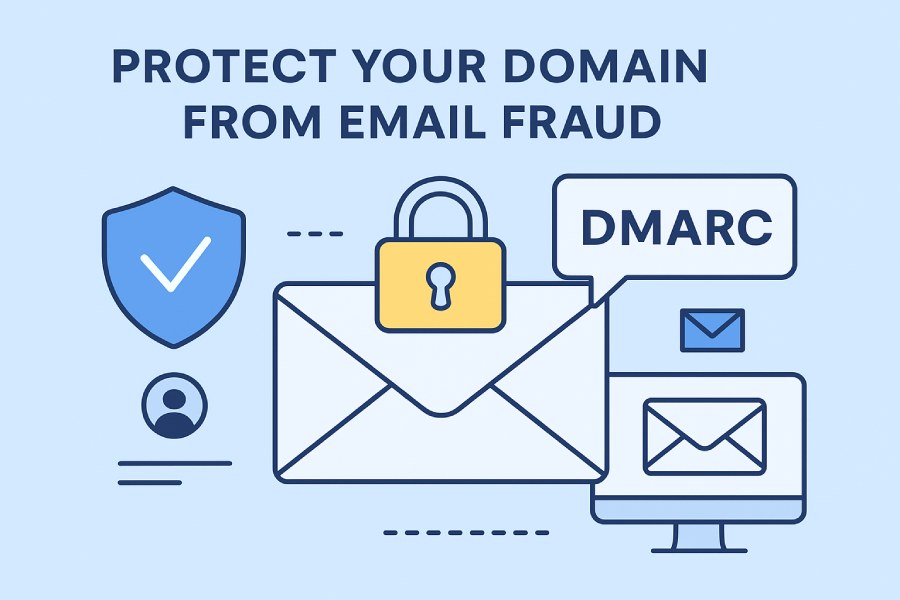
DMARC best practices: Simple steps to protect your domain from email fraud
by DuoCircle
DMARC adoption is on the rise, especially since Google and Yahoo made it mandatory for bulk users. However, it is also true that many domain owners have not figured it out correctly because they don’t follow the best practices associated with it.
An SPF record, or Sender Policy Framework record, is a specific type of DNS TXT record published in the domain name system to improve email authentication and prevent email spoofing. The SPF record syntax defines which IP addresses and email servers are authorized to send emails on behalf of a domain, establishing an email sender policy that email servers can verify during delivery attempts.
Managed services refer to the proactive outsourcing of IT tasks and responsibilities to a third-party provider, enabling businesses to streamline their technology operations while focusing on core competencies. Unlike traditional IT outsourcing, which is often project-based or reactive, managed services emphasize ongoing infrastructure management, performance optimization, and proactive maintenance under a predefined service level agreement (SLA). This approach is designed to maximize system uptime, enhance security posture, and improve operational efficiency.
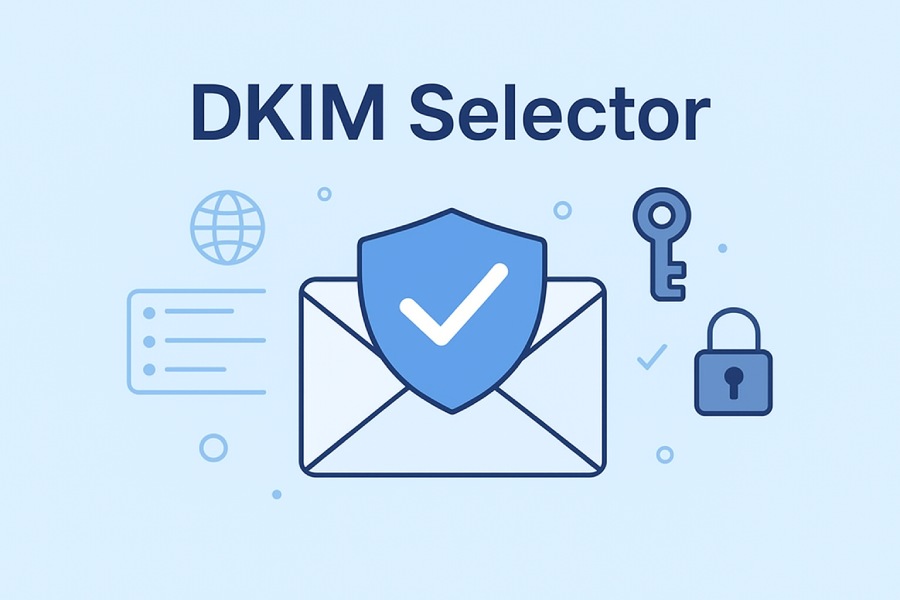
DomainKeys Identified Mail (DKIM) is a critical component of modern email security standards and plays a vital role in email authentication frameworks alongside Sender Policy Framework (SPF) and Domain-based Message Authentication, Reporting & Conformance (DMARC).
This week’s cyber reports reveal escalating threats on trusted platforms. A significant phishing attack on npm spread malware to millions, while a compromise of Salesloft’s GitHub account impacted the Drift application. Researchers also uncovered a malvertising campaign using fake GitHub commits and detailed the stealthy EggStreme framework, highlighting how attackers are exploiting familiar workflows with increasing sophistication and success.
Laposte.net’s 2025 email authentication shift: strategic insights and implementation best practices for enterprises
by DuoCircle
La Poste, France’s leading email service provider, which serves millions of users with private email addresses, has introduced mandatory email authentication requirements starting in September 2025. Now, what this means is that every email sent to Laposte.net addresses must pass SPF, DKIM, and DMARC authentication checks. If the senders don’t adhere to this, their emails will be relegated directly to spam.
In the realm of electronic communications, an email server is a critical component responsible for sending, receiving, and storing emails. At the core of email transmission lies the Simple Mail Transfer Protocol (SMTP), an essential set of rules that govern how outbound mail servers relay messages efficiently and securely. Within this infrastructure, the mail transfer agent (MTA) functions as the backbone, managing the routing and delivery of email through SMTP relays.
DomainKeys Identified Mail (DKIM) stands as a crucial pillar of email authentication and security. Defined under RFC 6376, DKIM is an email protocol that uses cryptography to sign email messages with a private key after leaving the mail client or mail server, specifically the mail transfer agent (MTA). The cryptographic signature included in the email headers enables receiving mail servers to perform signature verification by retrieving the corresponding public key from a DNS TXT record associated with the sender’s email domain.
Think of brands like Samsung, eBay, Amazon, and Hulu. These brands are undoubtedly some of the biggest names in their respective industries and have been around for years, which means you can easily trust them with your personal information and data without a second thought.
Email relay services play a pivotal role in facilitating seamless email delivery within modern business communication frameworks. At their core, these services function as intermediaries—SMTP relays—that channel outbound email messages from a sender’s email client or mail server to the recipient’s mailbox provider via a secure pathway. Acting as advanced mail transfer agents (MTAs), email relay services manage complex email routing, ensuring that emails pass efficiently through various email gateways and SMTP servers.
This week brought a wave of innovative and large-scale cyberattacks. Scammers abused social media ads with AI features to push harmful links, with hundreds of accounts posting thousands of scams. More than 100 compromised government email accounts were used in a global phishing campaign against embassies and international organisations. At least 65 servers were hijacked to manipulate Google search rankings, while new backdoors turned email into a data theft tool. Attackers also exploited a Microsoft-signed driver to shut down security defences and install malware. These incidents highlight how quickly trusted platforms and tools can be weaponized, emphasizing the critical need for robust email security measures.
DMARC for GDPR and data privacy compliance: Why email authentication matters for protecting PII?
by DuoCircle
When it comes to data privacy, the GDPR is clear about its goal: it wants organizations to protect personally identifiable information (PII) at every stage of processing and communication. And as you already know, DMARC is a mailbox gatekeeper that authenticates emails and prevents threat actors from misusing your domain.
In today’s fast-paced digital landscape, managed service providers (MSPs) are constantly searching for new ways to expand their offerings and increase profitability. One of the most effective strategies gaining traction is partnering with MSP reseller programs. These programs allow MSPs to broaden their service portfolio, strengthen client relationships, and unlock fresh revenue streams without the heavy costs of developing new solutions in-house. Whether you’re a growing IT business or an established provider, understanding how MSP reseller programs work—and how to leverage them—can be a game-changer for sustainable growth.
If you’ve ever sent a carefully crafted email campaign through SendGrid, only to find it lurking in some unlucky recipient’s spam folder, you know that email deliverability is more art than science—and a little bit of magic. Well, unlike sorcery, improving your email’s chances of landing squarely in the inbox is absolutely doable with a simple, yet powerful tool: the Sender Policy Framework (SPF).





![JLR Cyber Shutdown, SlopAds App Fraud, Worm Hits npm – Cybersecurity News [September 15, 2025]](https://www.duocircle.com/wp-content/uploads/2025/09/spf-permerror-0009.jpg)


![Malicious npm Packages, Salesloft GitHub Breach, Malvertising Commit Trick – Cybersecurity News [September 08, 2025]](https://www.duocircle.com/wp-content/uploads/2025/09/spf-record-generator-6703.jpg)



![AI Spreads Malware, Diplomats Phished Globally, GhostRedirector Exploits Servers – Cybersecurity News [September 01, 2025]](https://www.duocircle.com/wp-content/uploads/2025/09/sender-policy-framework-5670.jpg)